
A few weeks ago, I was being interviewed by Aaron Straight along the banks of the Middle Fork Nooksack River. Aaron is one of the lead conveners for the Water Wars (How to Avoid) project. We stood beside cold glacial water moving steadily toward the sea while talking about rivers, water conflict, and the increasingly complicated future of water in the Nooksack Watershed.
Woven throughout was a deep respect for water and for our neighbors. At one point in the conversation, he asked me a question I haven’t stopped thinking about since: “How do you make sense of water adjudication when water is life?”
I didn’t have a polished answer. But I responded with something simple:
“Maybe we shouldn’t just bring water to the table of negotiation. Rivers are the table.”
What I meant is this: rivers are the ground upon which all of us already stand. They sustain farms, salmon, cities, forests, power grids, recreation, drinking water, and entire cultures of belonging. Before politics, before property lines, before management plans, there is the river.
And yet, so often we speak about rivers only once conflict emerges — once there is not enough water, once habitat collapses, once rights compete against one another. We talk about rivers as resources to allocate rather than relationships to participate in.
I began thinking a lot about this about this while reading Is a River Alive? this past fall. Diving deeper into the idea of “riverhood,” a term some scholars use to describe the state of being a river — not simply as a channel of usable water, but as a living system with agency, memory, movement, and relationships.
Recently, a group of researchers from across six continents collaborated on a paper exploring this very idea. Their work asks a deceptively simple question: What is a river?
For many of us raised in the modern West, the answer has long been shaped by infrastructure. Rivers became resources to dam, divert, straighten, extract from, or control for human benefit. Entire economies and political systems were built around the assumption that “wild water” needed to be engineered into submission.
Of course, humans have always shaped rivers. That alone is not the problem. Communities across the world have lived with, adapted to, and cared for waterways for thousands of years. The issue is scale — and the belief that rivers exist primarily to serve centralized systems of power, industry, or expansion.
And yet rivers continue moving, that is what inspires me most.
Despite all our attempts to define them, partition them, or regulate them, rivers constantly remind us that they are processes rather than objects. Whether we recognize it or not, rivers already organize our lives.
As paddlers, anglers, swimmers, hikers, and river travelers, I think we experience this differently than most. Time spent with moving water changes your sense of scale. Rivers teach patience, consequence, humility, and attention. They force us to respond rather than control. Every changing current becomes a reminder that permanence is an illusion.
So when I ask, “Can rivers lead the way?” I don’t mean that romantically or metaphorically. I mean: what would change if we began making decisions from the understanding that healthy rivers are not secondary to healthy communities — they are what make healthy communities possible in the first place?
RIVERS exists to follow the rivers lead, and I am honored to be on this journey with you all.
Willie Henkel, Creative Director – RIVERS
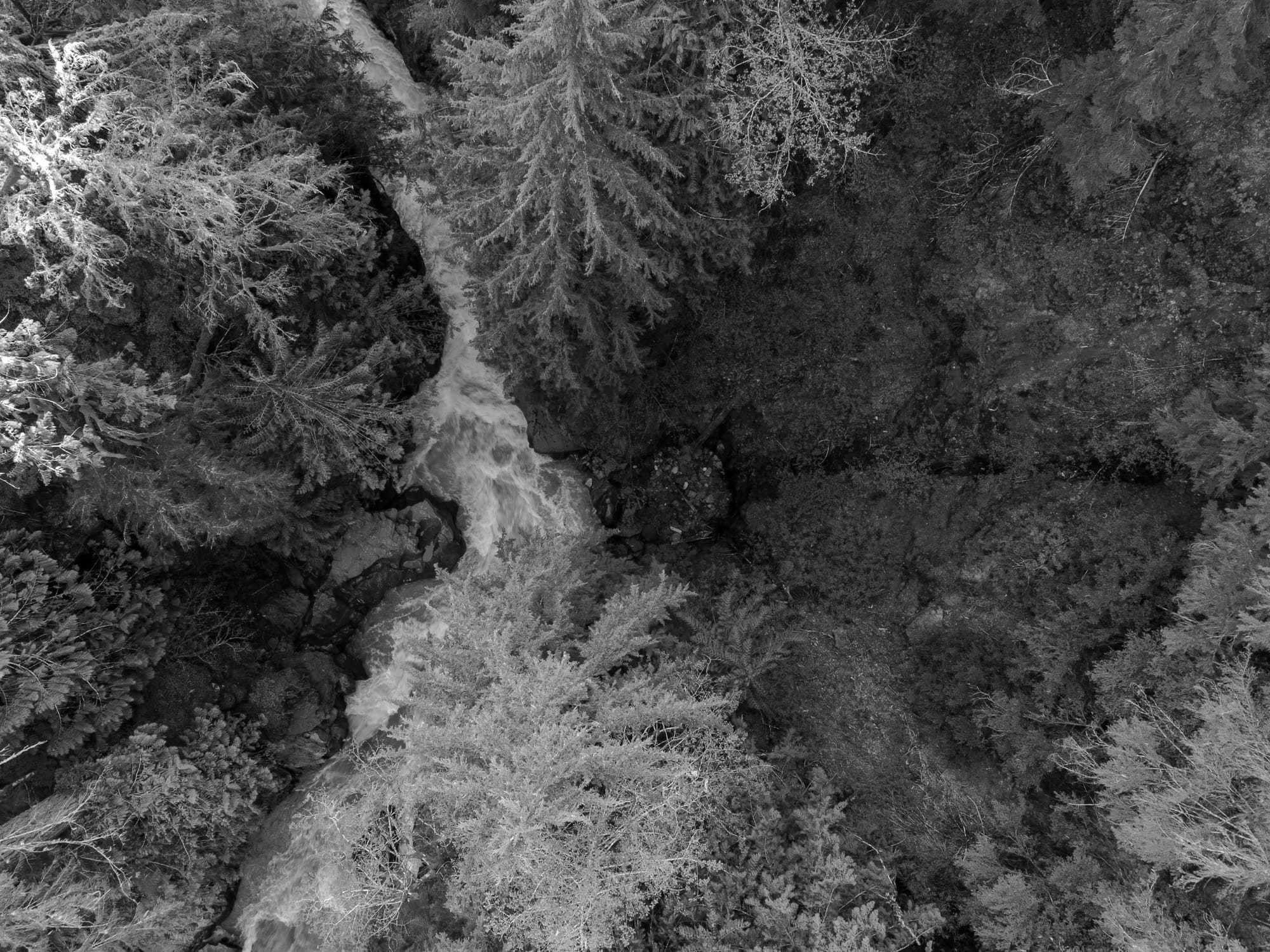
RIVERS Digital Publication
Exploration
An emerging story. Honest, unresolved, and close to the edge, about young friendship, the weight of consequence, and a deepening reverence for the mighty Indus river.
 RIVERS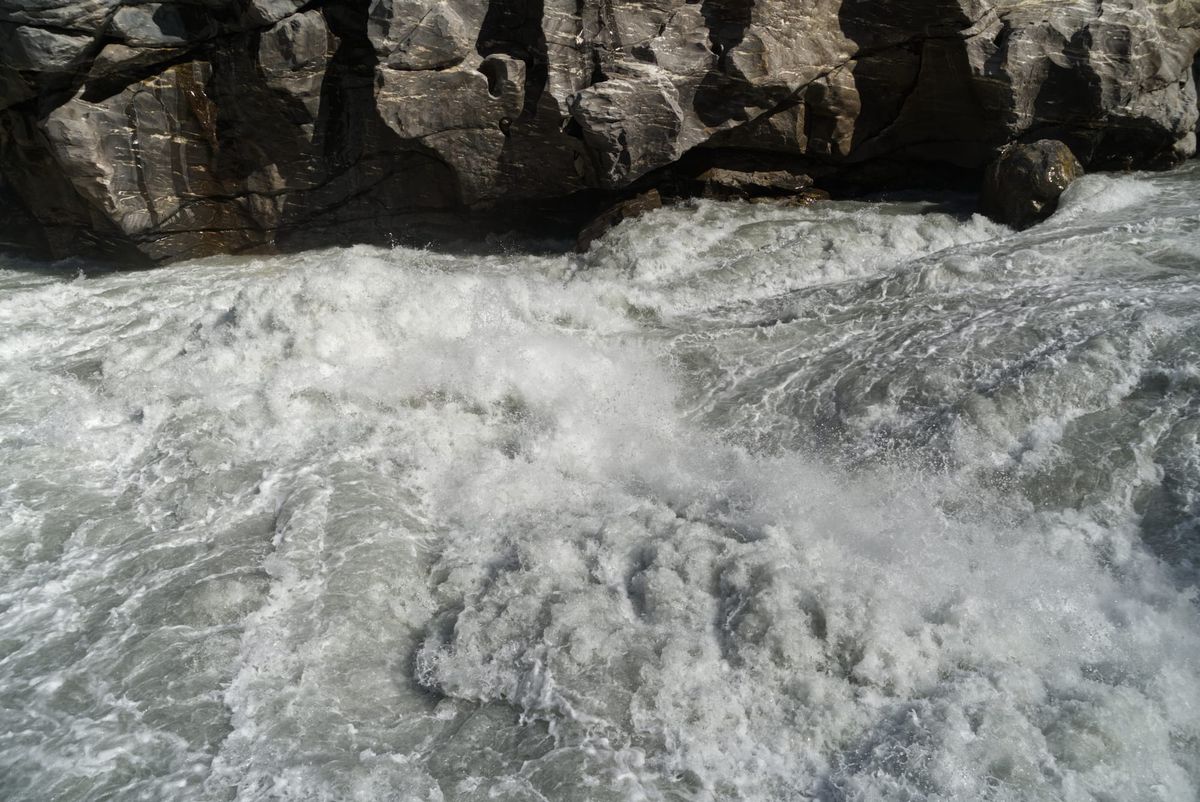
Culture
In the Spirit of Right and Respectful Relations, a foundational book for anyone seeking to build more meaningful relationships with the land, water, and Indigenous peoples of the Salish Sea region — and beyond.
 RIVERS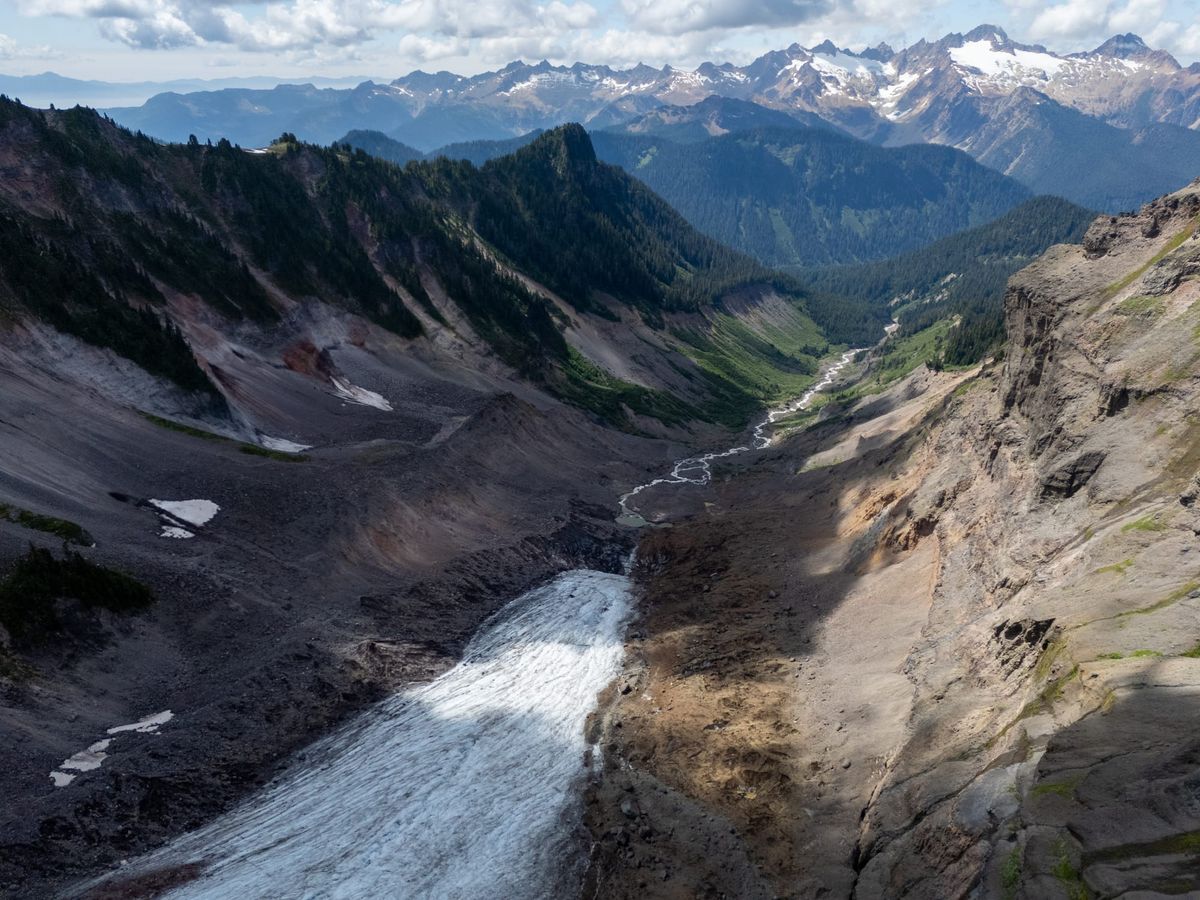
Environment
Interview with life long fly-fisherman and president of the One Fly Foundation, John Holland for an unique perspective on the role of recreational fly fishing in the conservation of the upper Snake River basin.
 RIVERS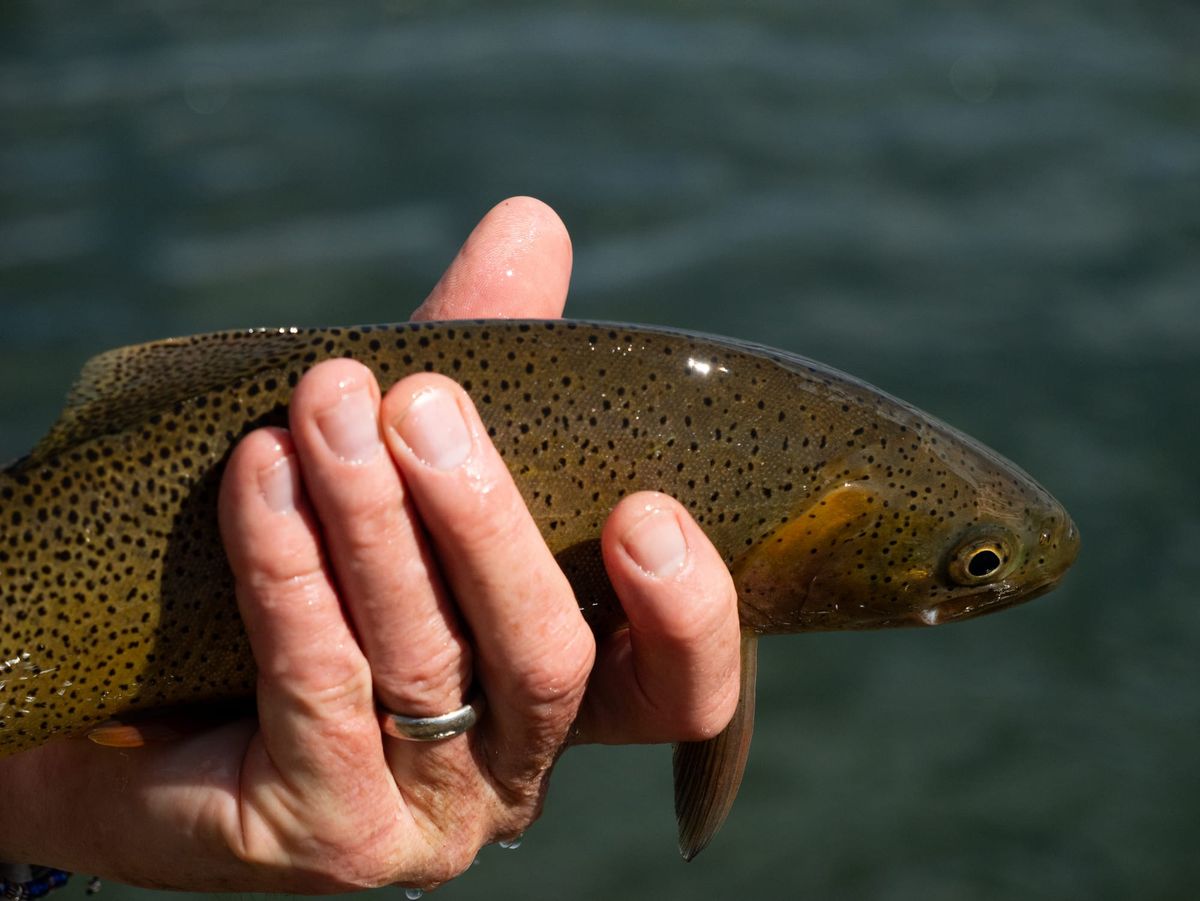
You are part of our growing community at RIVERS. We exist to give rivers a voice — and that voice grows with every person who joins our movement. Share this newsletter and riversworldwide.com with someone who needs to hear it. And please don't hesitate to reach out, contribute, and share your own river perspective. Every river has a story. We want to hear yours.


