- Runtime 24 min
- Year 2024
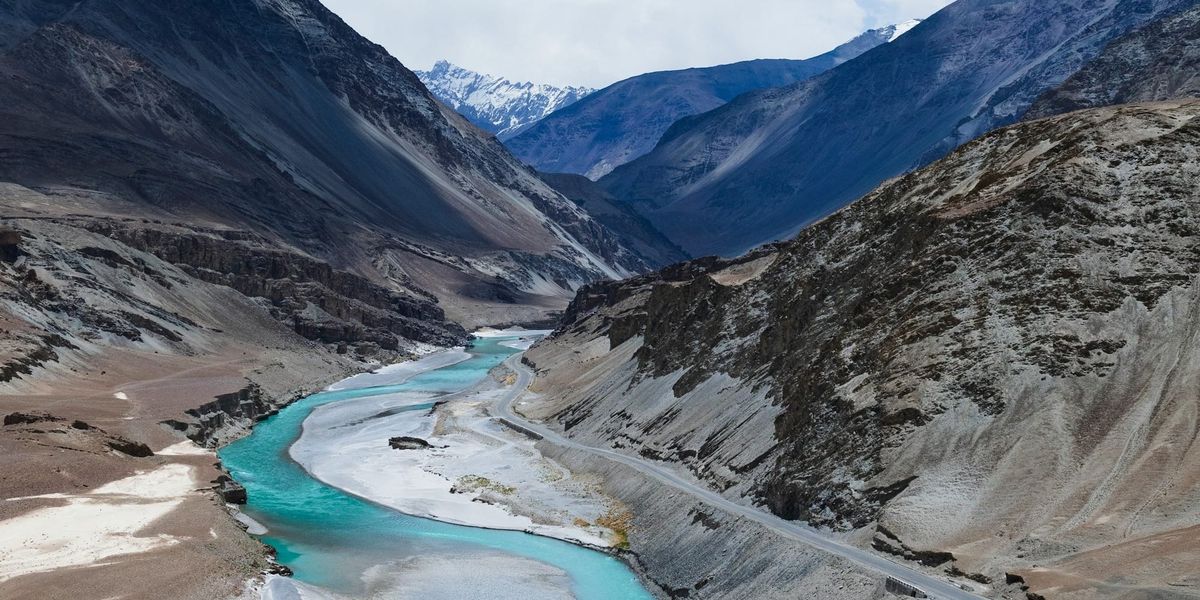
- River Indus
- Editor by Wyatt Doyle
- Cinematography Wil Henkel, Wyatt Doyle, Luke Landino, Harry Hasselman.
- Paddlers Wyatt Doyle, Luke Landino, Driscoll Larrow, Willie Henkel, Cole Ruski, Pierce Huser.
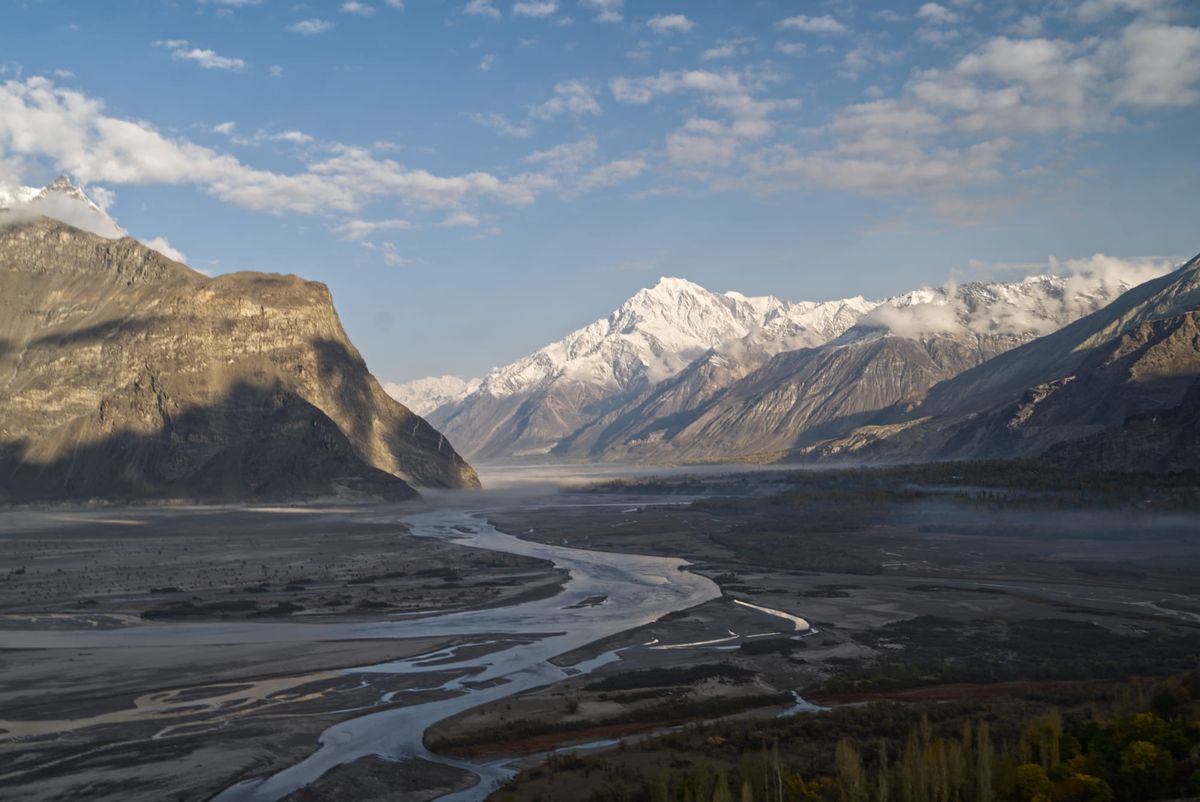
A trip to the mighty Indus River
What they found there wasn’t just a river, but something far less defined—fear, doubt, friendship, ego, and moments of real clarity moving through one of the most powerful whitewater corridors on earth. This rough cut film and field notes remain unpolished on purpose. They are fragments of a trip that, in many ways, still defines what RIVERS is becoming.
Below we have provided an emerging story. Honest, unresolved, and close to the edge, about young friendship, the weight of consequence, and a deepening reverence for the mighty Indus river.
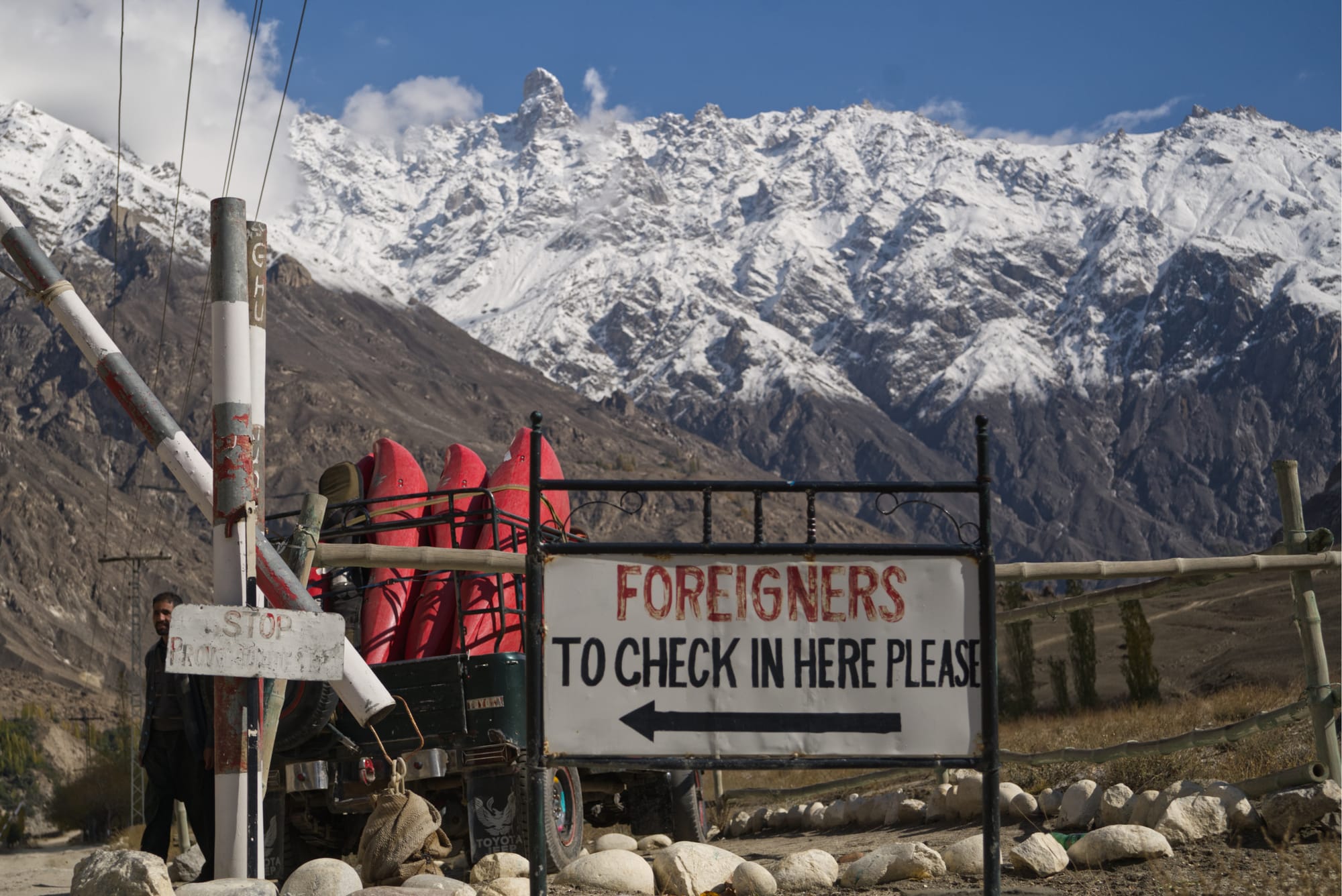
"Check In Here Please" — Indus Field Notes
Field notes from RIVERS Creative Director, Willie Henkel's journal in the fall of 2024.
October 16 — Dubai to Islamabad
The Indus River Treaty, signed September 19, 1960, remains one of the most peaceful agreements between India and Pakistan. A line drawn between eastern and western rivers through Kashmir. A division laid over something that doesn’t really divide.
I think about that on the flight to Pakistan.
Boarding with the same bag of bags that’s come to define the last couple years. Kayak gear, camera gear, a life packed into pieces. The pursuit of rivers has given me something I don’t fully understand yet—some mix of purpose, friendship, and questions that don’t really have answers.
If this is as good as it gets, then so be it.
Still—there’s that other thought sitting underneath it all. The cost. The flights. The carbon footprint. The tradeoffs we don’t talk about when we’re chasing something that feels important.
October 18 — Karakoram Highway, Hunza
Back on the Karakoram Highway after Gilgit, heading toward Attabad.
You can feel the scale of the place before you really see it. Two tectonic plates meeting—the Indian and Eurasian—pushing everything upward. Landslides fresh on the slopes. Excavators inching up the valley. The whole landscape feels unfinished.
Attabad Lake sits quiet in the middle of it. Formed in 2010 when a landslide blocked the Hunza River and flooded the valley. Killed people. Buried homes. Now it’s this deep blue stillness.
Below it, the river comes back angry.
We scout from above. It looks different than what we saw on Google Earth. Steeper. Tighter. More consequence. Workers wave us down, yelling. We listen. For a second.
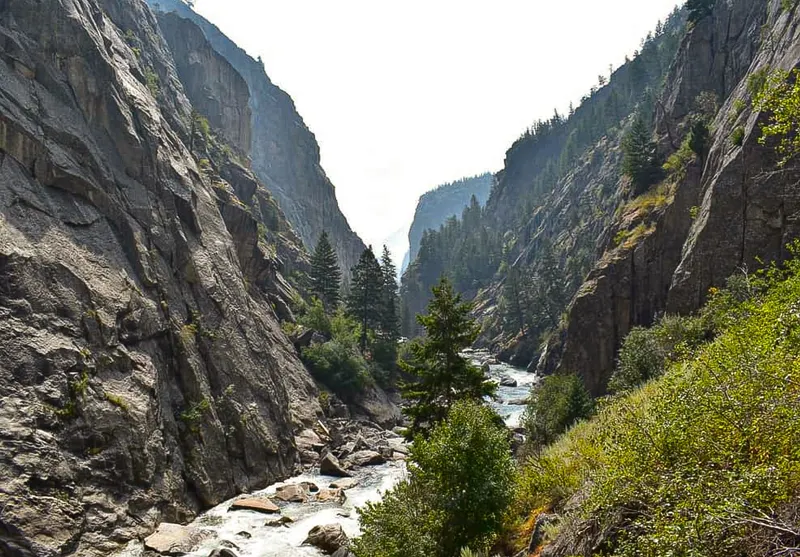
Then we walk downstream and see it for real—4,000 cfs pushing through house-sized boulders, folding back on itself, disappearing around a blind corner.
We don’t run it. Not everything is meant to go.
October 19 — Hunza River
I push off first.
Quick hand up—then straight into it.
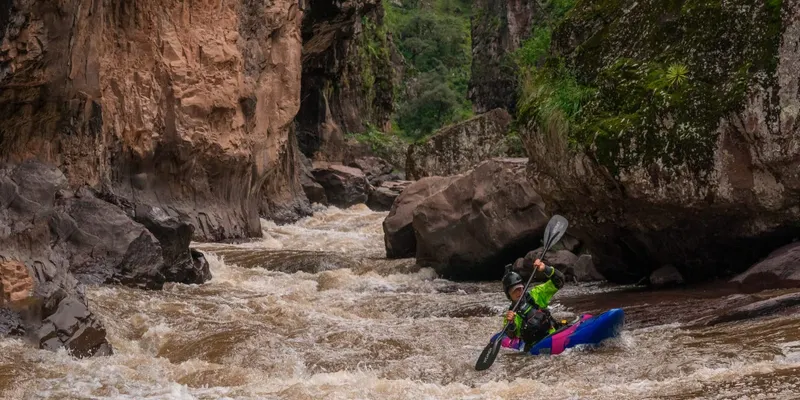
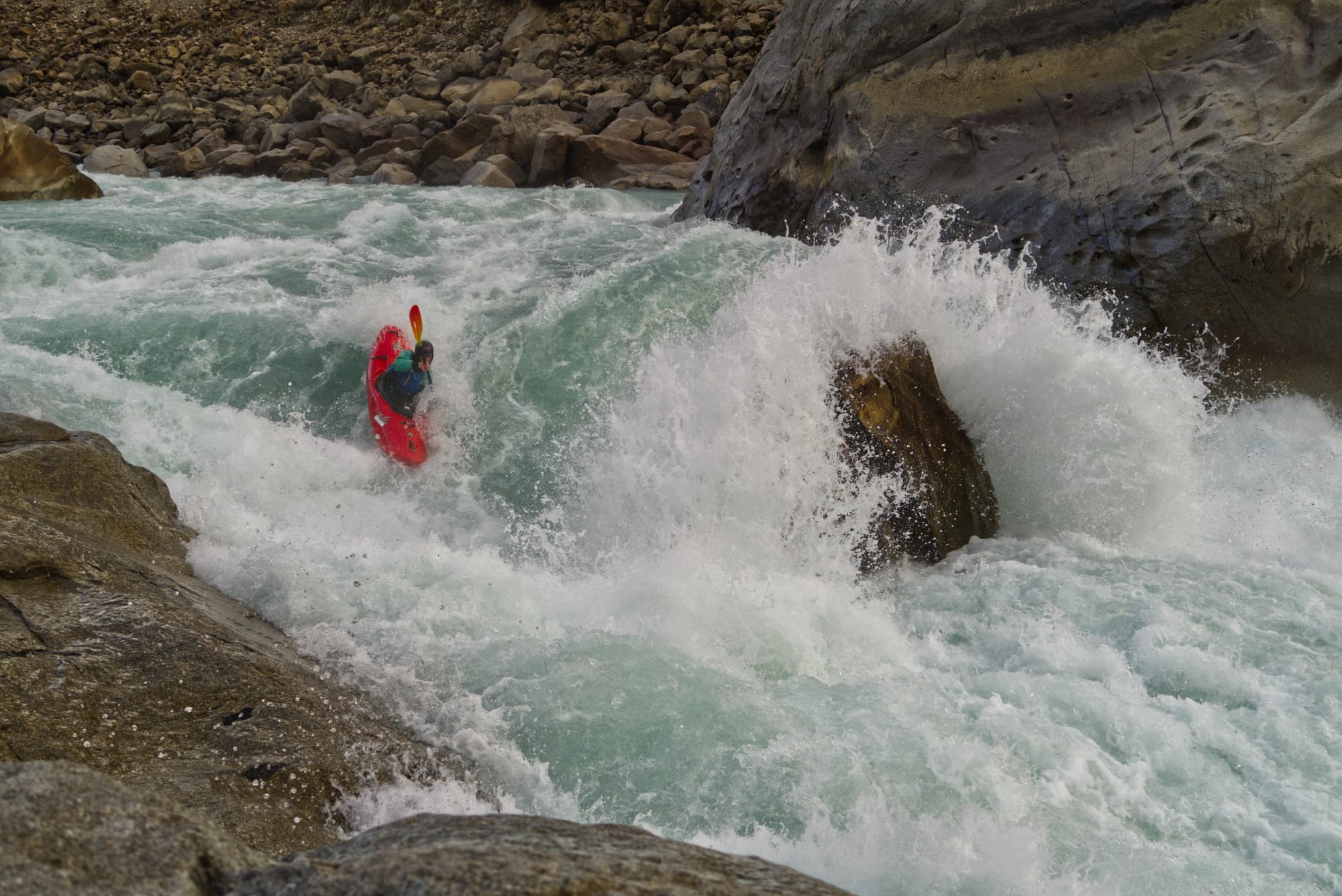
Everything speeds up faster than I expect. I’m backendered and dropped into the hole I was trying to avoid. Roll. Hit again. No time to think.
A year ago I would’ve swam. Here that’s not really an option. Too much downstream that we don’t know.
I hold on. Find the blade. Roll again. Somehow come out in an eddy.
Shaking a bit.
This is bigger than anything I’ve paddled before.
And it hits me pretty clean: what am I doing here?
October 20 — Garelth
Eighteen miles. Class IV–V. No real break.
Still feeling a bit on edge. Trying to remind myself that that’s the point. It’s not supposed to feel easy.
Villagers line the river in sections—waving, yelling, running along the banks. Kids keeping pace with us through the easier stretches.
There’s something about that. Moving through a place that’s so alive while you’re locked into your own head.
Fear doesn’t go away. It just settles into the background. Becomes part of how you move.
October 21 — Old Silk Road
We camp below Rakaposhi.
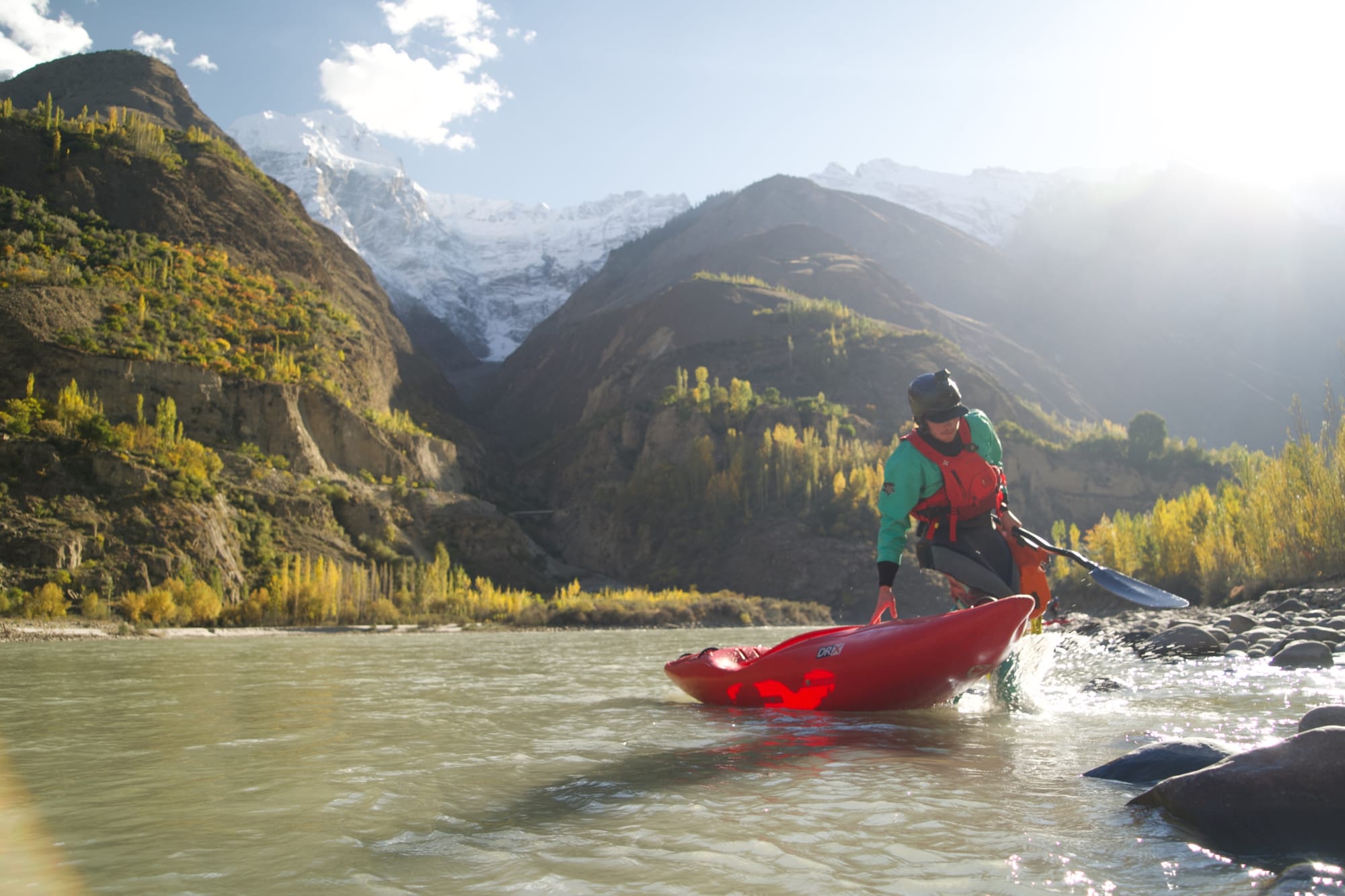
Above us, cut into the cliffs, are remnants of the old Silk Road. You can trace it if you look long enough—this thin line carved into massive walls, following the river.
People have been moving through here for a long time.
Trade, war, migration—everything funneling through these valleys.
We’re not discovering anything. Just passing through.
October 22 — Gilgit
The Indus starts up near Mount Kailash in Tibet. Or at least that’s one version.
What’s not really debated is what it becomes.
It drains the Karakoram, the Himalaya, the Hindu Kush. Some of the biggest mountains on earth feeding into one system.
“For the river, boundaries are irrelevant.”
But for people, they aren’t.
In Kashmir, families were separated across the river after partition. Close enough to see each other, but not cross. Throwing letters across the current just to stay in touch.
Same river. Different realities.
October 25 — Nanga Parbat
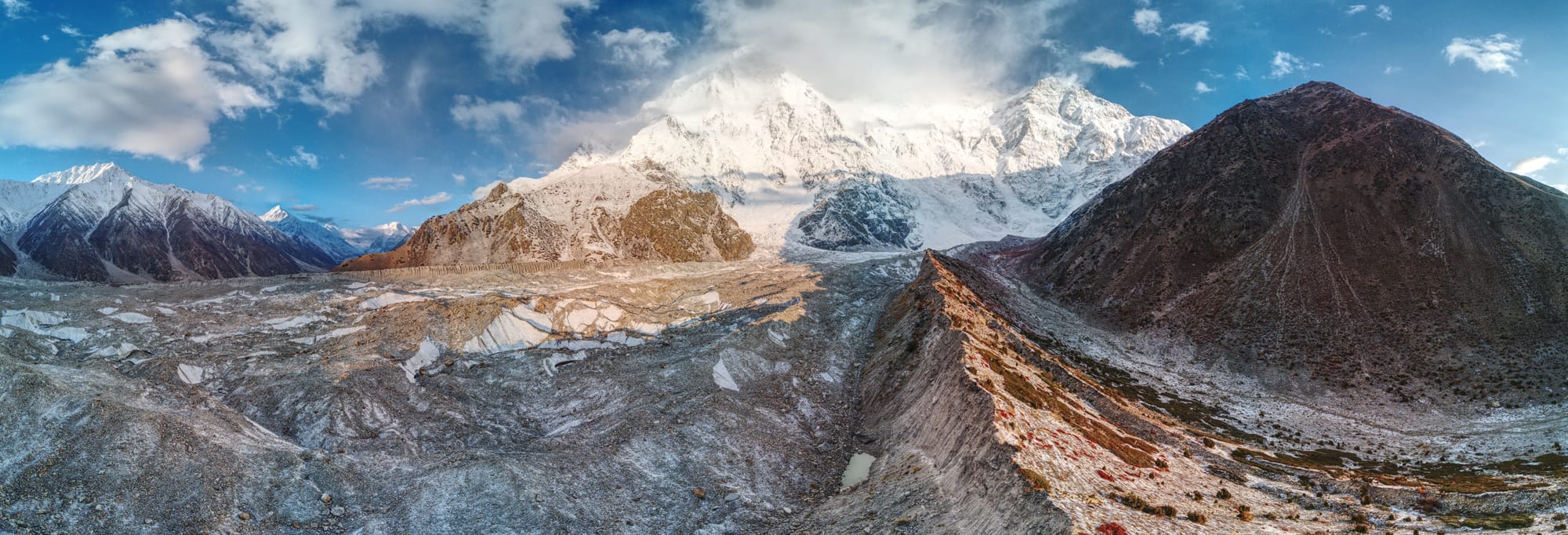
Waking up around 12,800 feet.
Avalanches rolling off the face. Light hits the summit early and everything changes color fast.
It’s easier to feel small here. In a good way.
Cooking ramen on my granddad’s old stove, watching the mountain wake up. Thinking about how far from home this is, and how normal it somehow feels at the same time.
October 27 — Upper Indus
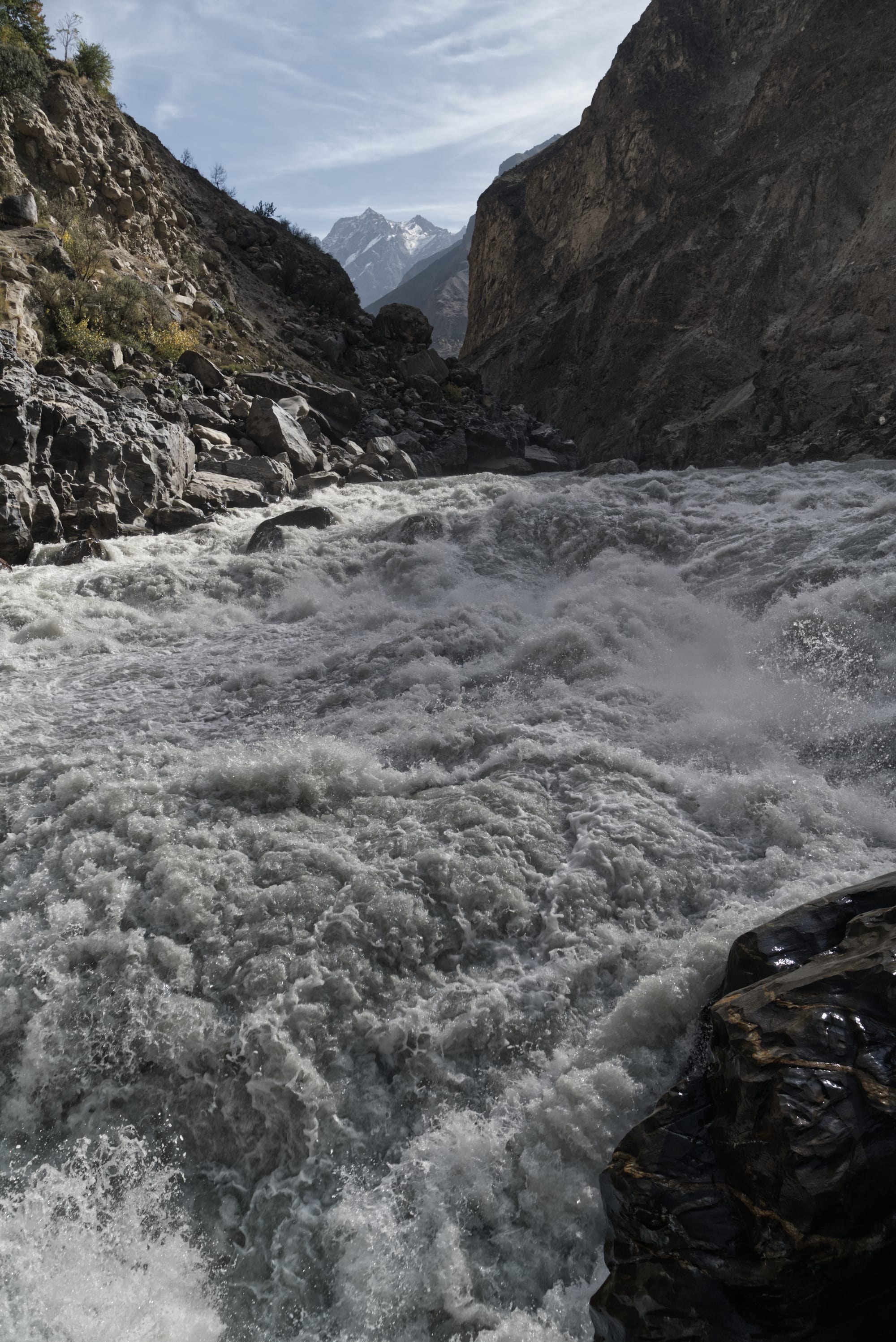
The river gets bigger. Heavier. Grey with silt. You can feel the difference right away.
We drop into sections that demand a bit more than I feel ready for. I walk one of them. Not out of panic—just knowing where I’m at.
That line between pushing yourself and just being out of your depth—it’s thin.
I’m still figuring that out.
November 5 — Rondu Gorge
Election Day back home.
We’re putting on for the Rondu Gorge. Biggest whitewater I’ve ever been on. No easing into it. It’s just there—stacked rapids, no real recovery. You’re either in it or you’re not.
I go back and forth in my head. I can do this. Then, what the hell am I doing?
Neither one feels right. So I just paddle.
One move at a time. Try to stay present. Try not to get pulled too far ahead in my own head. And somewhere in there, it clicks a bit—not in some big, cinematic way. Just quieter. That the river doesn’t really care about any of the narratives I’m carrying into it. Not the ego, not the fear, not the story I want to tell about myself.
It just is.
For more RIVERS content on the Indus River:
 RIVERS
 RIVERS