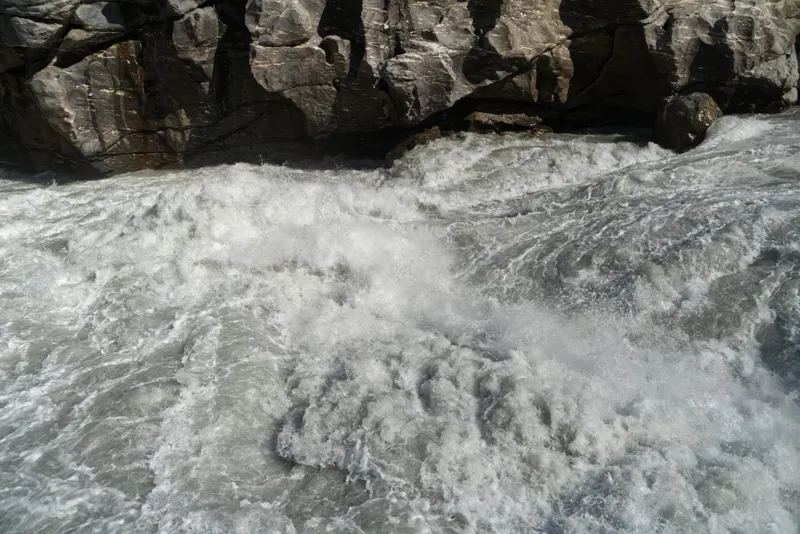
A manifesto from RIVERS
The word exploration carries weight we haven't fully reckoned with.
For centuries it has meant conquest dressed in scientific language — men arriving at places already known, already loved, and declaring them found. The river was the backdrop. The explorer the protagonist. The story ended when the expedition returned home with new found discoveries.
At RIVERS, we are not interested in that story. However we use the word exploration anyway — because abandoning it concedes too much. But we go back to the root.
Explōrāre: to cry out, to look closely, to keep watch. Not to conquer. Not to claim. But to pay attention.
Movement Is Not Enough
Standard outdoor media is obsessed with movement. The speed of the descent. The grade of the rapid. The logistics of the approach. This framework turns rivers into racecourses and remote corridors into backdrops for athletic performance. It is, in its own quiet way, a continuation of the colonial impulse — the river exists to be used, to be crossed, to be posted.
We reject that metric.
Movement through a watershed is not exploration. Presence is.
Movement is transactional. You enter, you exit, you log the beta. Presence is relational. You return. You slow down. You ask who was here before you and what they understood that you don't. You let the river be more complicated than your experience of it.
This is the shift RIVERS is committed to: from movement to presence, from consumption to witness, from protagonist to student.
What We Mean by Exploration
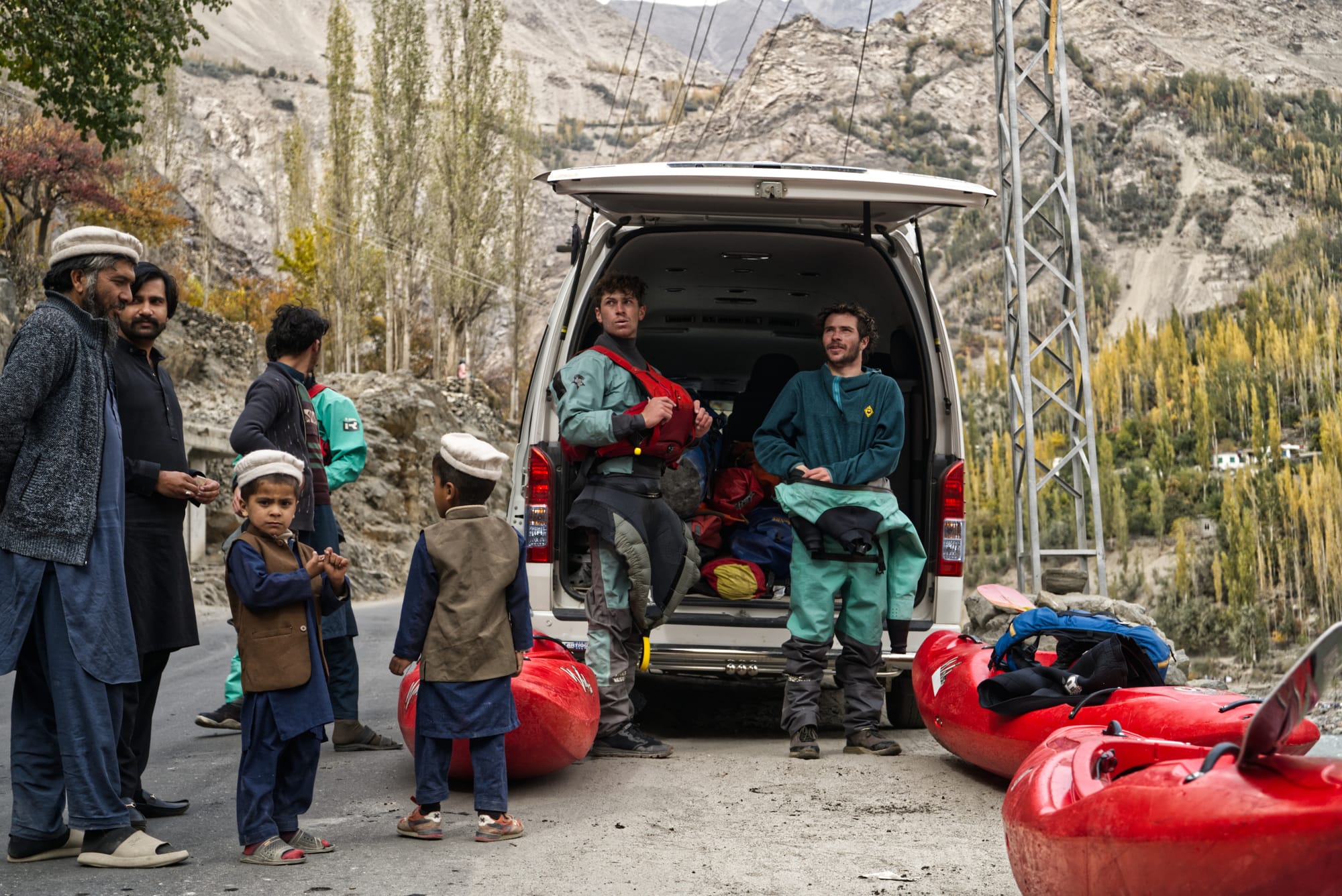
Exploration, in the RIVERS sense, is an ongoing practice of deep attention at the edges — of knowledge, of bodies, of our spirits.
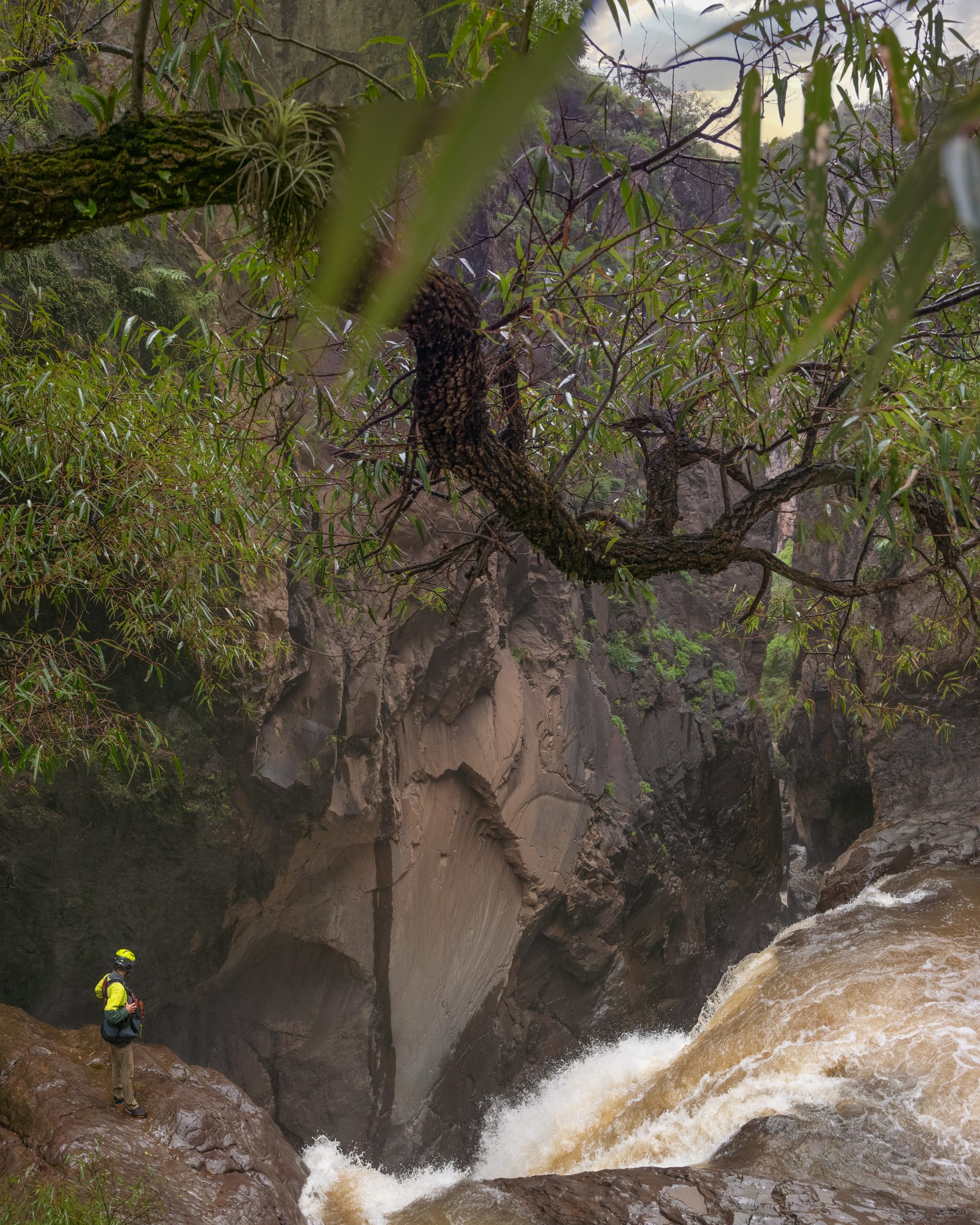
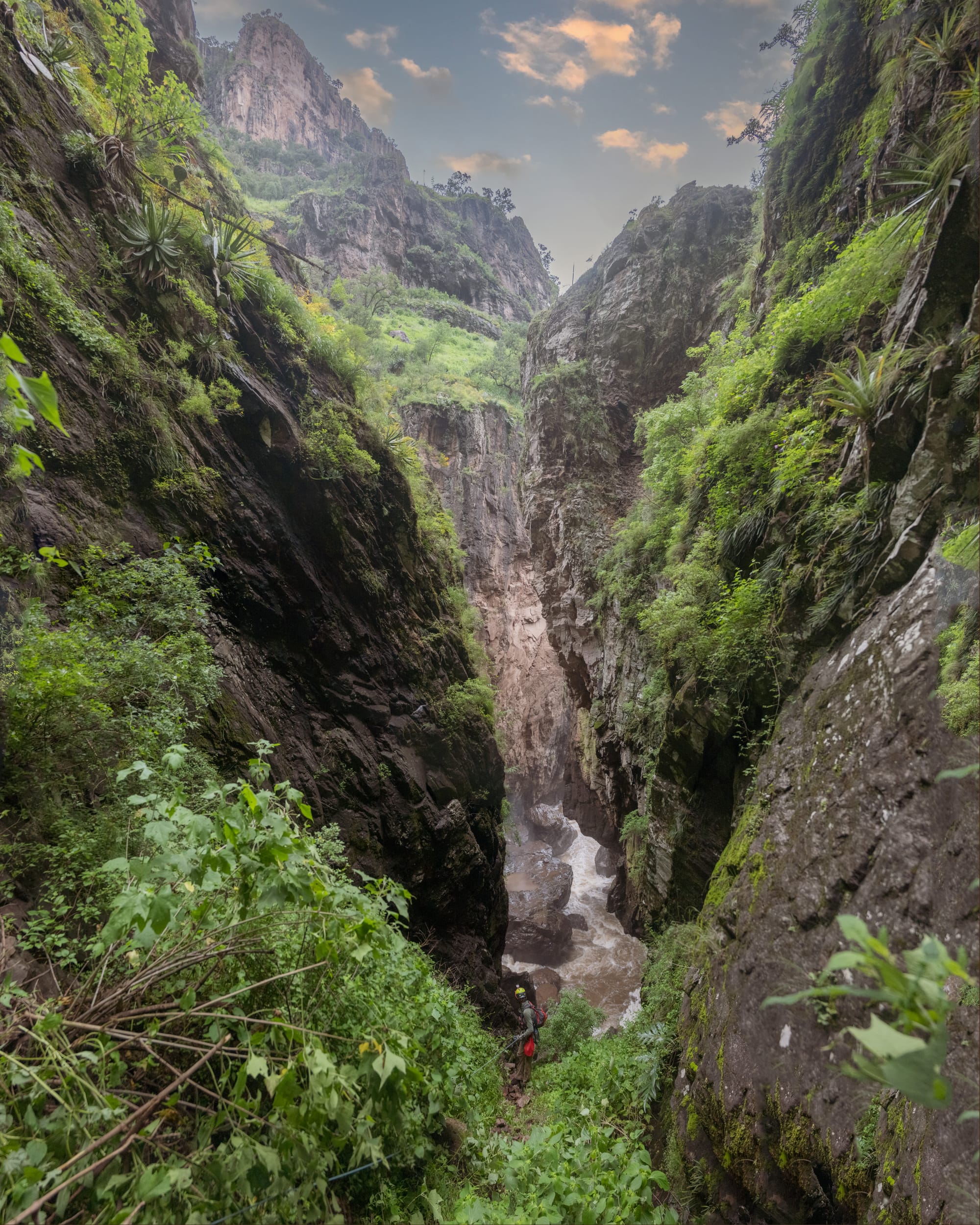
Some of it looks like expedition kayaking in remote canyons, source-to-sea journeys, weeks of self-support through watersheds. Some of it looks like a morning on a familiar river, paying attention to something you've never noticed before. Some of it looks like archival research, or a conversation with someone whose family has fished the same reach for generations.
What unites these forms is the question underneath them: what does responsible movement through a river system look like?
Responsible means understanding where the water comes from. It means situating your journey within the whole watershed — the ecology upstream, the communities downstream, the history the river carries in its sediment. It means arriving with some humility about what you don't know and some curiosity about what the river has already been teaching people long before you got there.
It means asking, before you go anywhere: does this serve the river?
The Tools We Carry
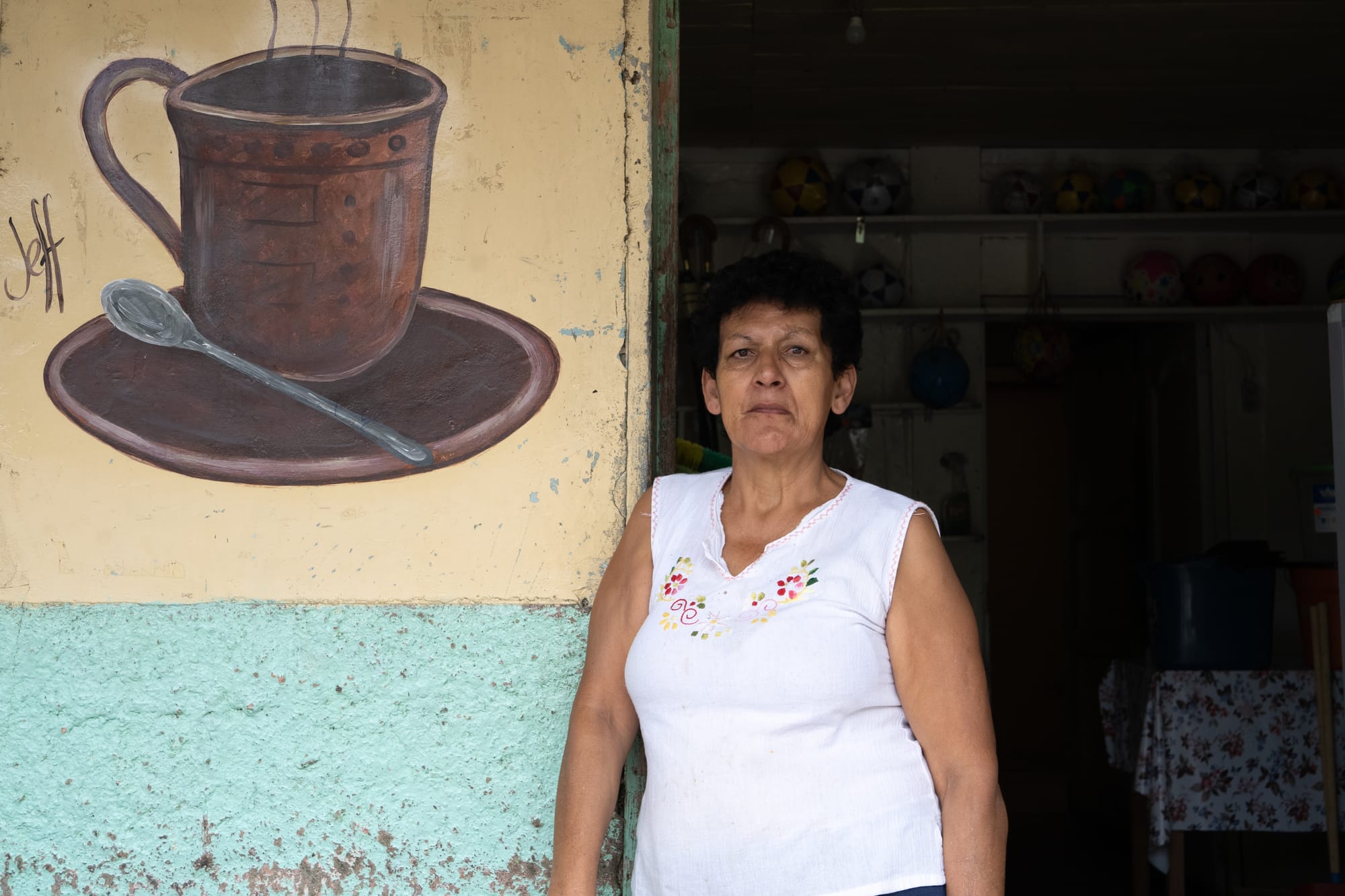
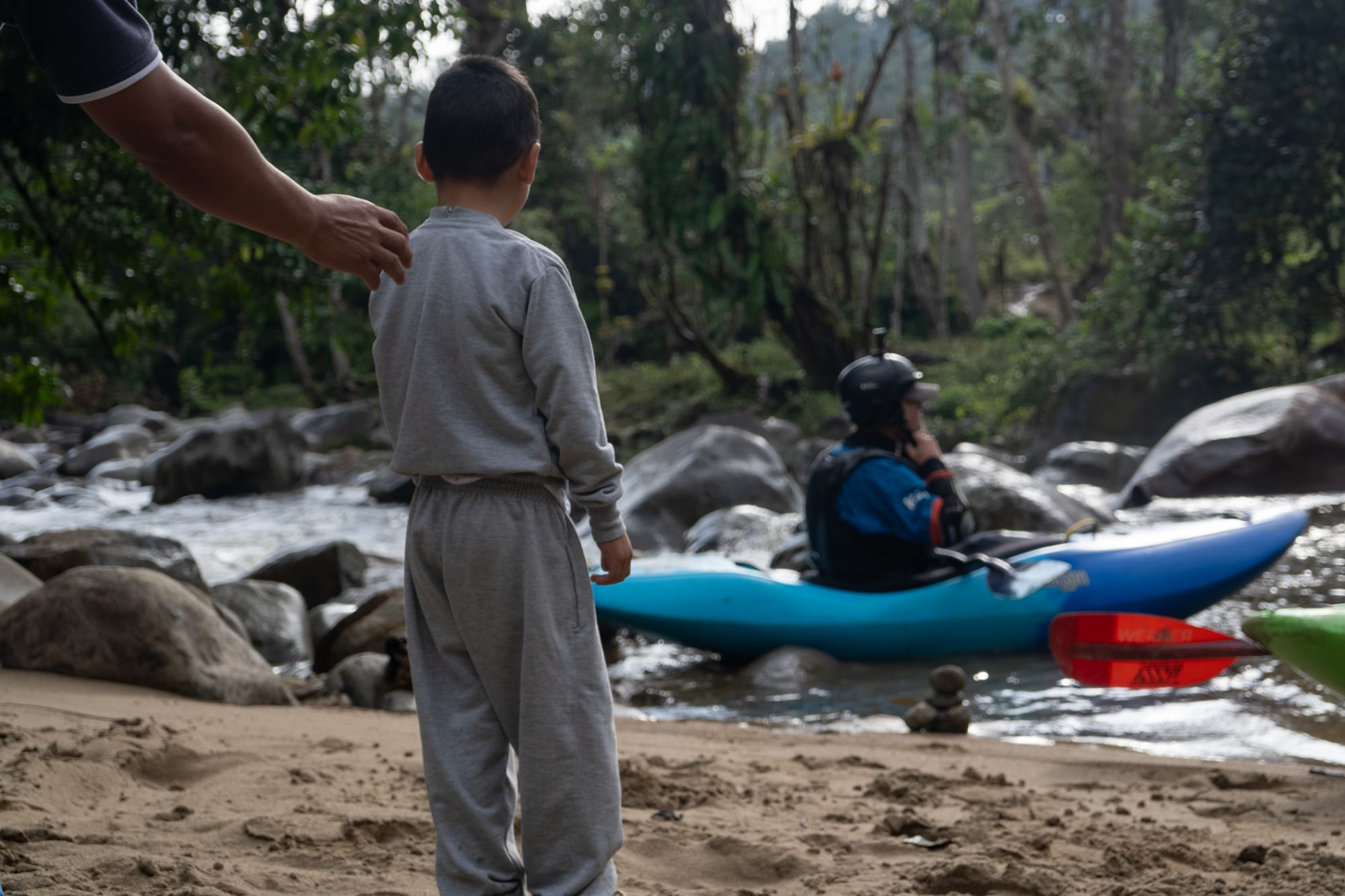
At RIVERS, we think carefully about what our tools are for.
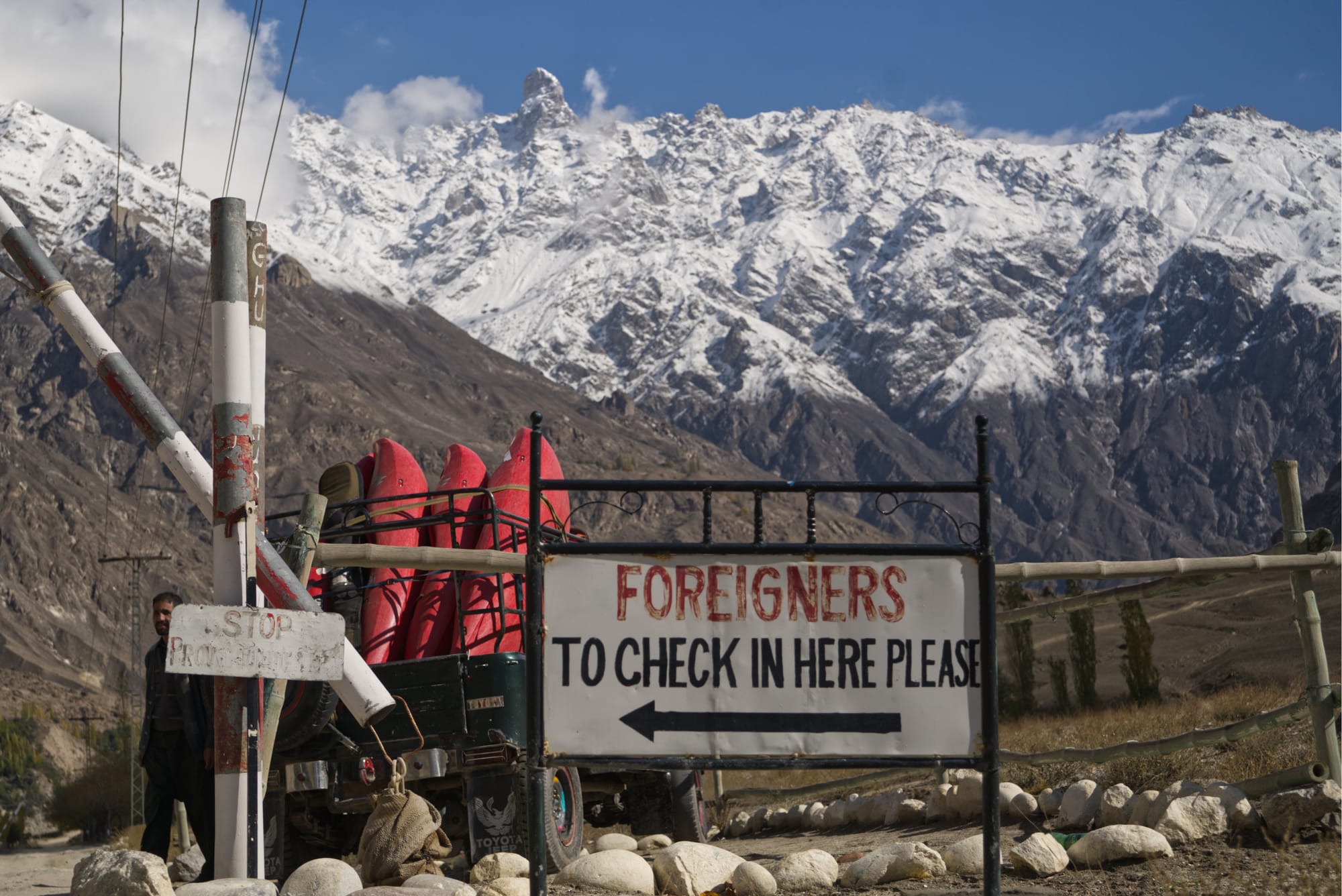
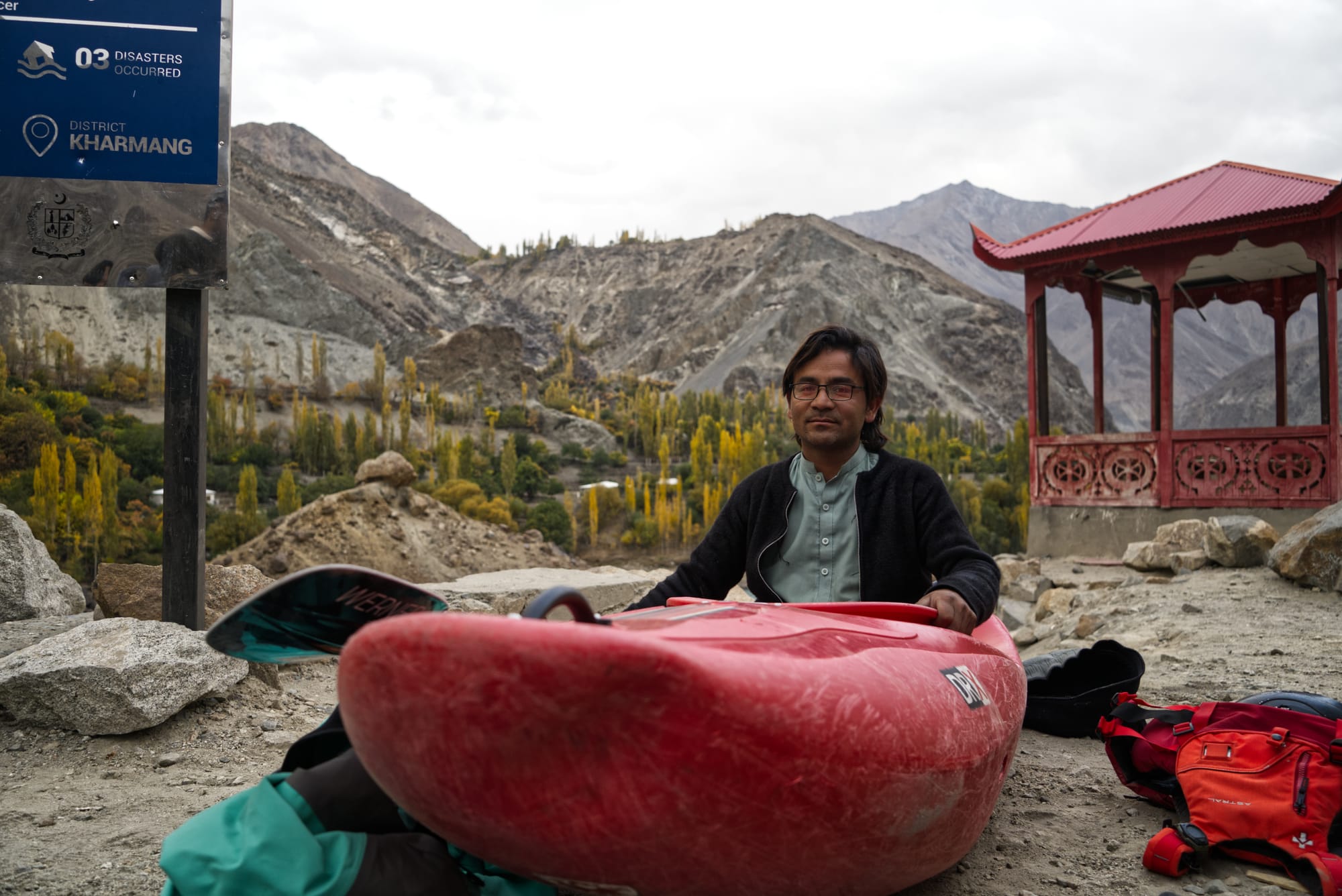
The kayak gives us access — to canyons, to headwaters, to perspectives that are only available from inside the current. That access is a responsibility. What we see there belongs to the river and to the people who live in relation to it. We carry it carefully.
The notebook is where we translate — where field observation becomes language, where complexity becomes something a reader can hold. The notebook is not a performance log. It is the site of honest inquiry.
The camera and the drone serve the living archive — not the athlete's highlight reel. Their purpose is to make visible what is changing, what is fragile, what is worth defending. A glacial retreat documented from the air. A mining plume moving through a tributary. A fish that shouldn't still be there, somehow still there.
The audio recorder listens to the voices the river has shaped — the guides, the scientists, the Indigenous stewards, the farmers, the kayakers, the people who grew up swimming in water that may not be swimmable for much longer.
Together, these tools serve one purpose: to bear witness. To create a record that the river deserves.
On Going to Remote Places
We want to be honest about this.
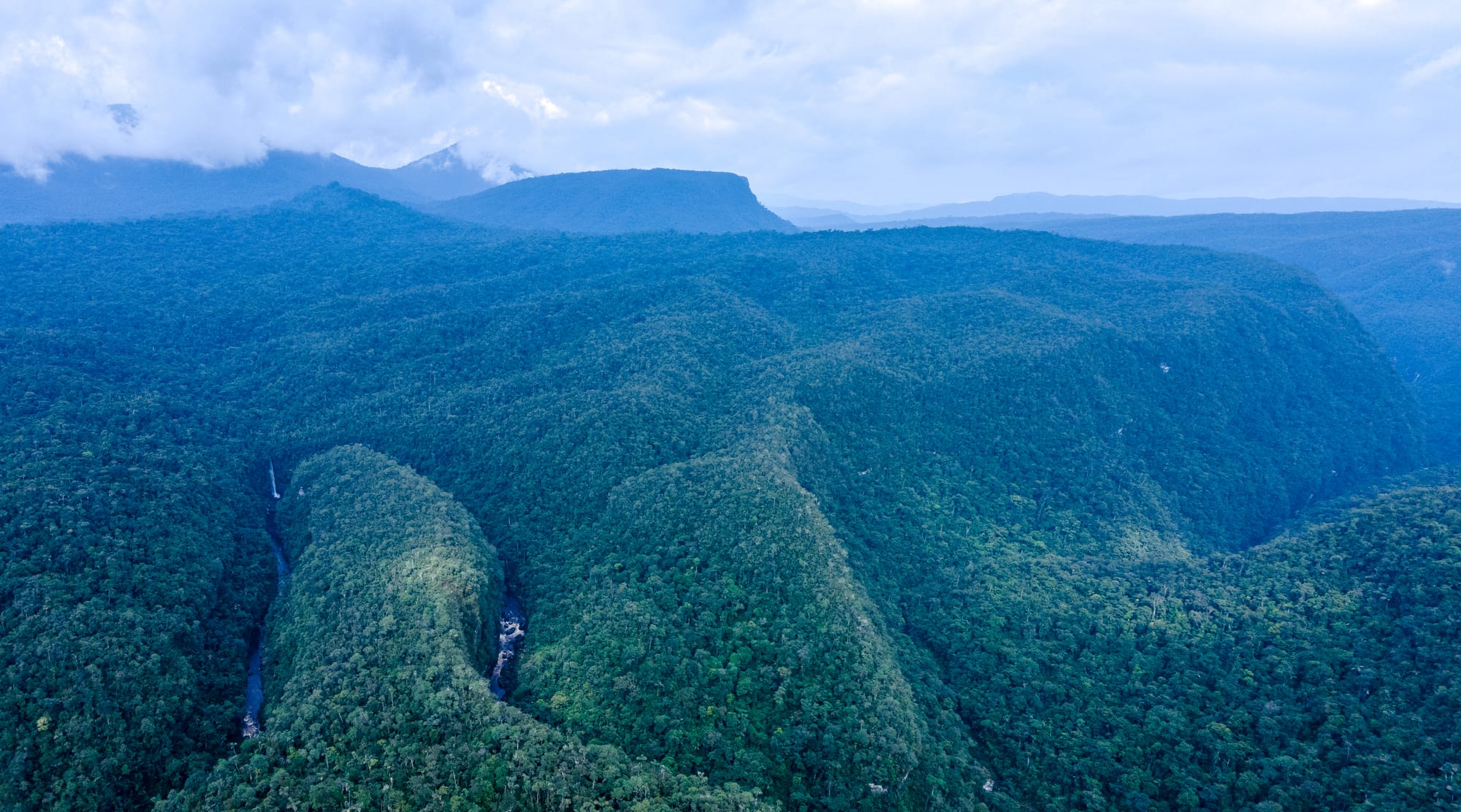
Remote rivers are not blank spaces. They are not waiting to be explored. Many of the corridors we travel through are intimately known — by the communities who live in their watersheds, by the ecologies that depend on them, by the histories written in their geology. The fact that a river hasn't been kayaked doesn't mean it hasn't been known.
This matters because exploration without accountability leaves damage. A helicopter carrying a film crew can open a corridor to mining. A viral trip report can overwhelm a fragile fishery. A story told without the people most connected to a river can erase them.
We are not trying to be the last people to touch something wild. We are trying to understand what our presence costs, and whether what we leave behind — the story, the data, the attention — is worth it.
That calculus is never finished. We return to it on every expedition.
What Exploration Produces
An expedition at RIVERS is not complete when the takeout is reached. It produces a story basin — a place where materials accumulate over time: film, writing, photography, maps, field notes, interviews, data. These materials remain accessible, connected to each other and to the river that generated them.
The goal is a living record — one that other people can enter, add to, argue with, and carry forward. Some of this record will take years to complete. Some of it will never be complete. That is appropriate. Rivers are ongoing.
A Final Note
We are still learning what this practice looks like. We make mistakes — in how we move, in how we tell stories, in how we understand the places we travel through. The manifesto above is not a claim to have figured it out. It is a commitment to keep asking.
We are trying to move like students, not conquerors. Like witnesses, not tourists. Like people who understand that the water was here long before us, and will be here long after — if we do our part.
Does this serve the river?
That question doesn't have a final answer. But it's the one to keep asking.
Author Bio
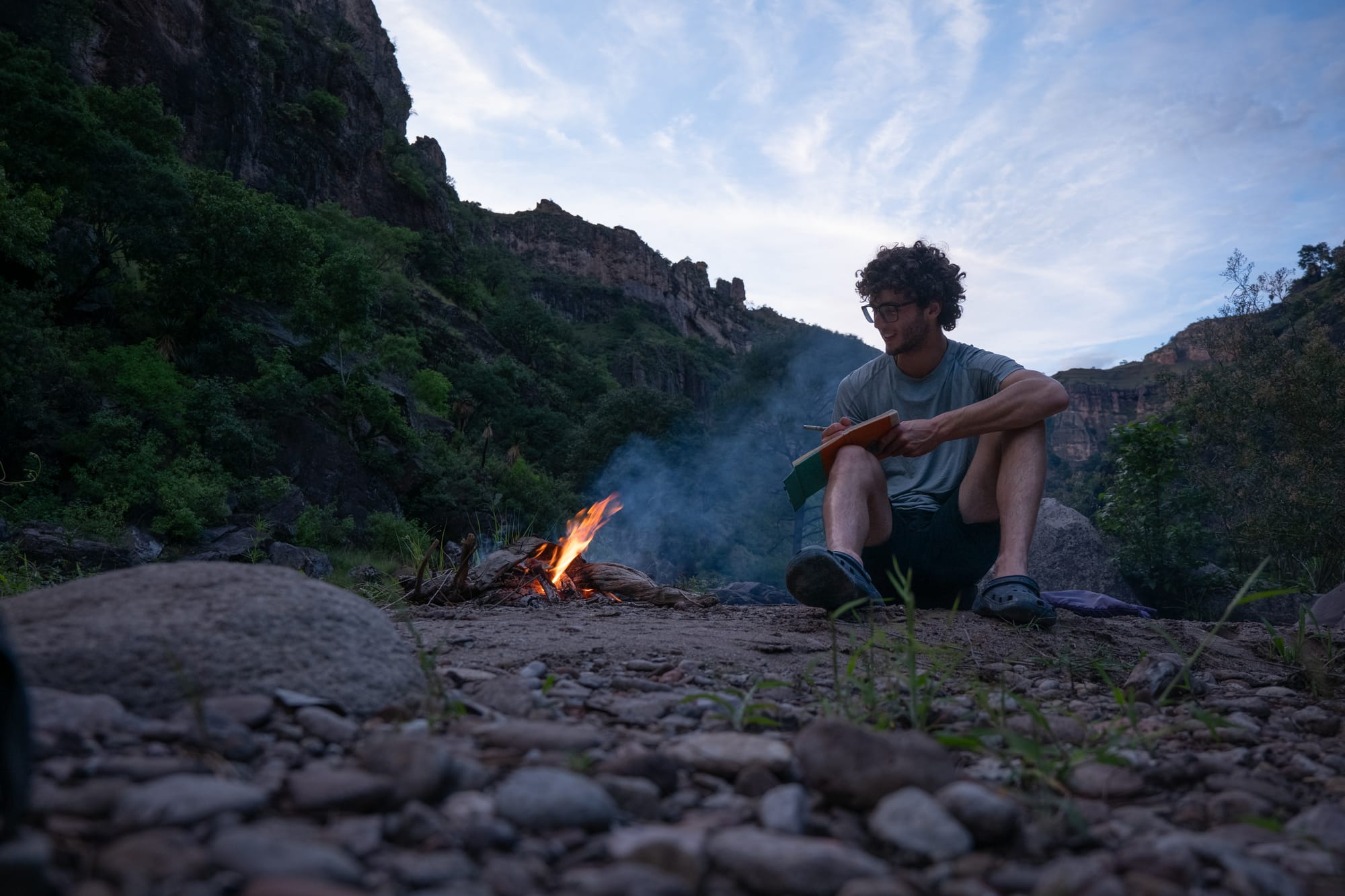
Willie Henkel is the Creative Director and co-founder of RIVERS. He is an ethnohydrologist and expedition kayaker whose research and fieldwork center on the relationship between people and freshwater — currently working on a graduate thesis following the Nooksack River from source to sea. His expedition work has taken him from remote first descents in Ecuador's Llanganates region to the Rondu Gorge of Pakistan's Indus River. RIVERS grew out these unique river experiences: a publication that treats rivers not as backdrop, but as protagonist.