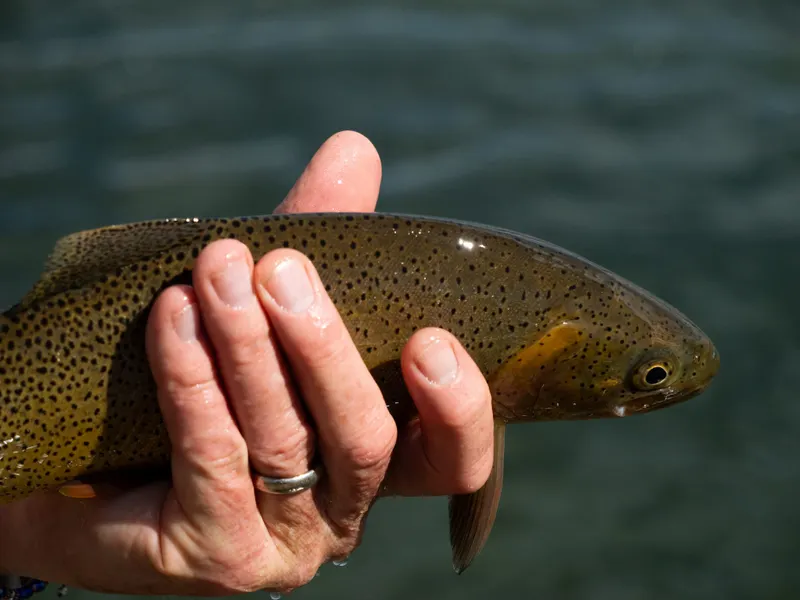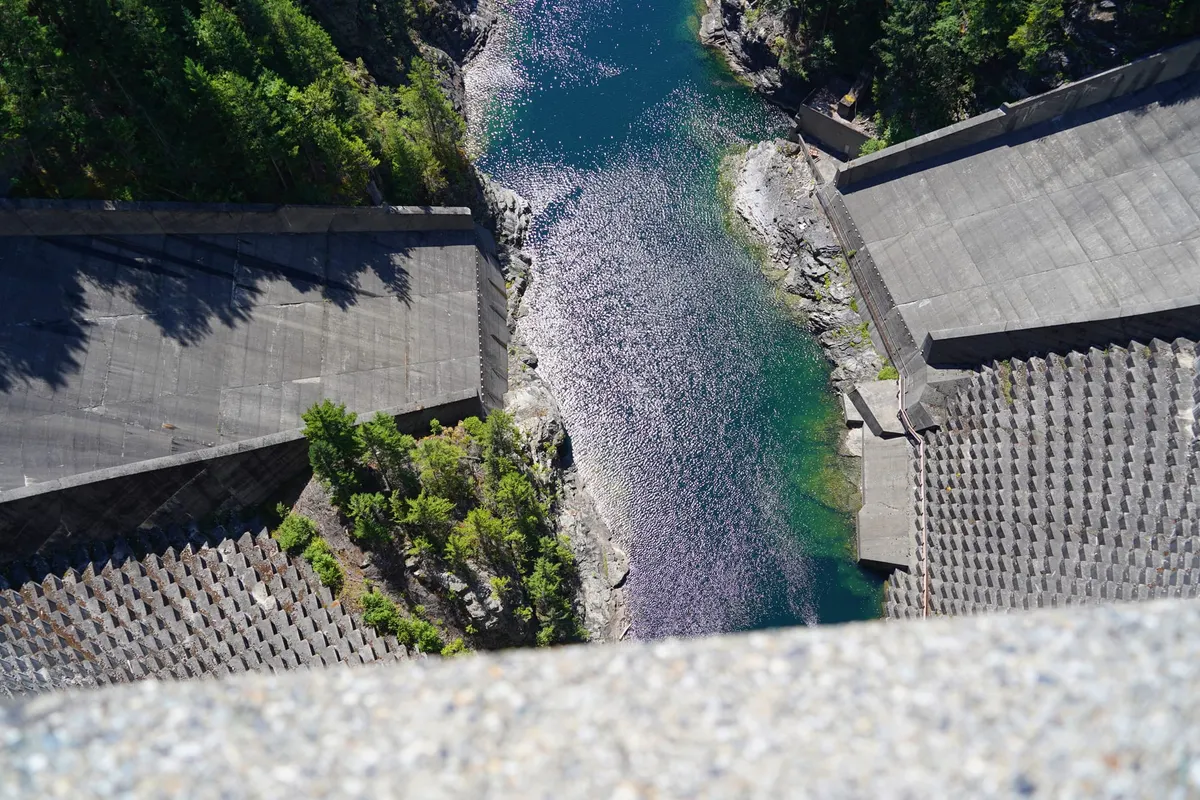
Kayaker and environmental justice advocate Carly Lloyd reflects on her undergraduate senior capstone about the Skagit River and the recent Skagit Hydroelectric Project license settlement that includes historic agreements for environmental and cultural issues, including fish passage that would reopen up to 40% of Skagit River spawning habitat for migrating fish.
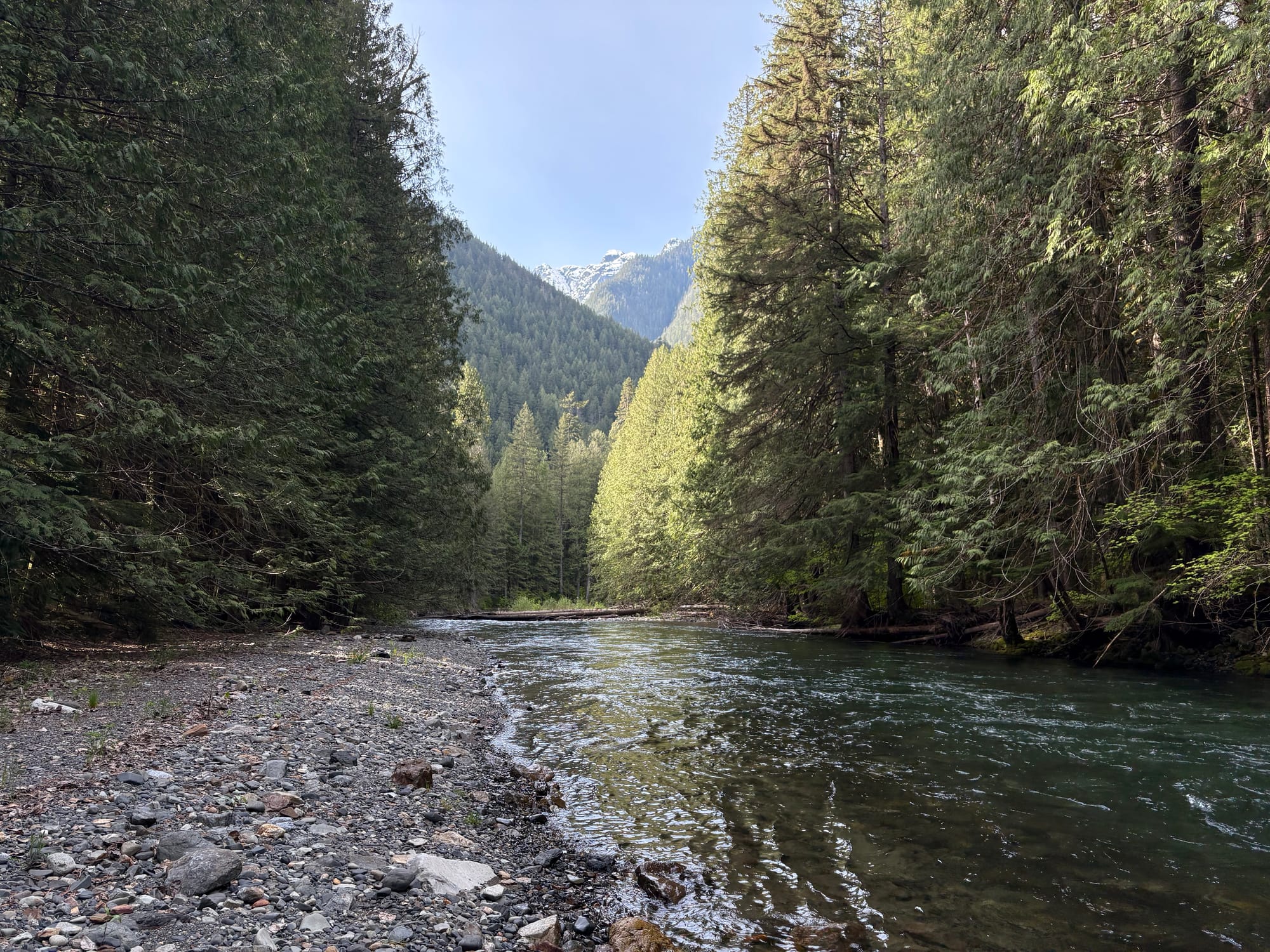
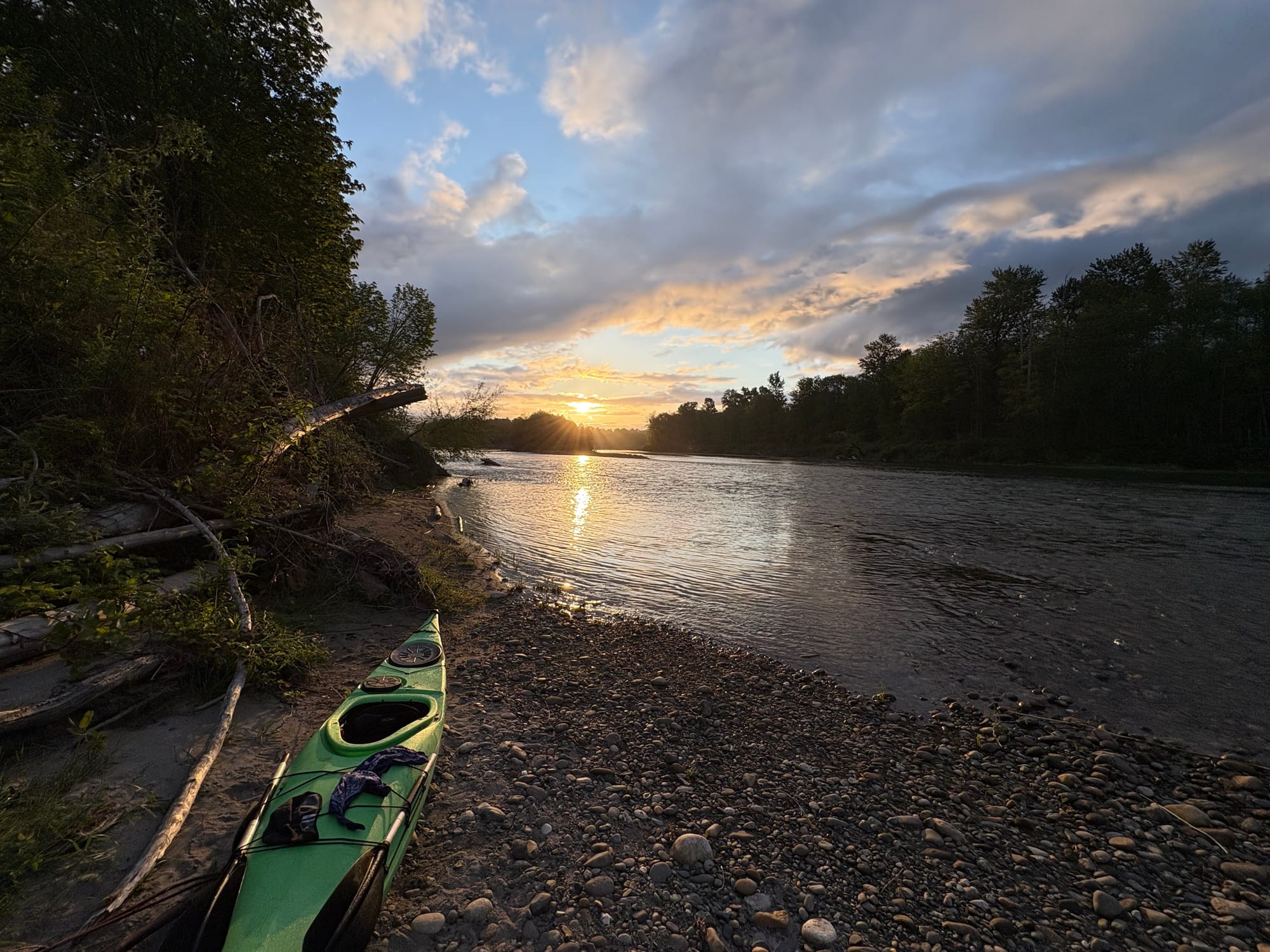
Just over a year ago I was between two field trips on the Skagit River in Northwest Washington. I had recently come off a three-day 90-mile sea kayak journey from the Newhalem Powerhouse to the Salish Sea. I was gearing up for a backpacking trip in the Canadian headwaters of the Skagit, where I would walk downstream and see the river grow from a mountain pass and then see it stall in the slack water of Ross Reservoir, the first of three reservoirs created by the Skagit Hydroelectric Project. I was embarking on these trips after months of researching the history, politics, and ecology of the region and after years of exploring, kayaking, and falling in love with the Skagit and its tributaries. It is a watershed that is treasured and used by many, and while sometimes it is hard to imagine what better management in the basin might look like, the latest news from the stakeholders on their new settlement offers a hopeful perspective for the future. I compiled my formal research and my trip reflections in a storymap for my senior project of my undergraduate degree in environmental justice. The map is linked below and serves as an introduction to the basin and context to the rest of this post.
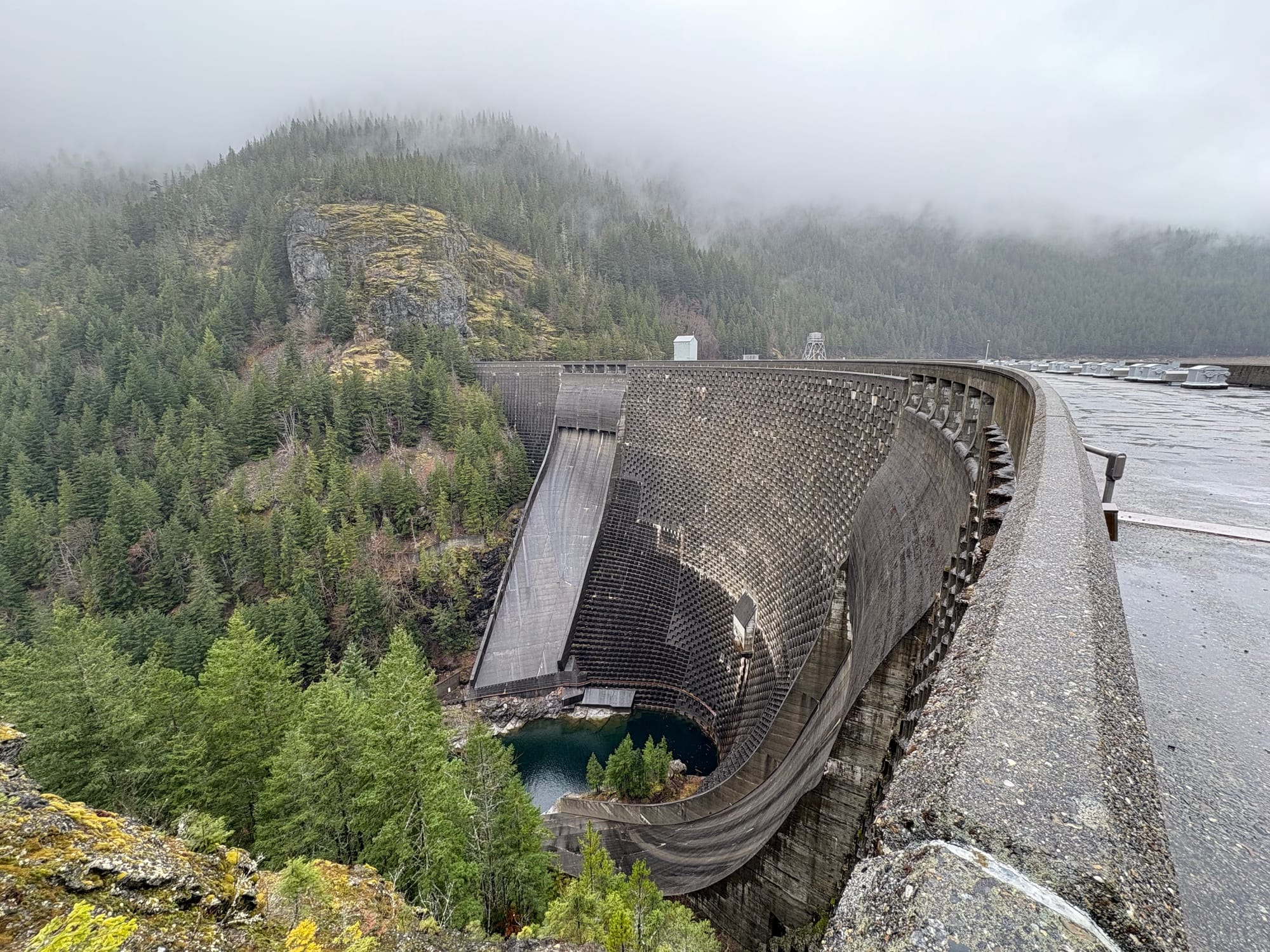
On March 5, 2026, Seattle City Light reached a settlement for a long term relicensing of the Skagit Hydroelectric Project with collaboration from Tribes, state and federal government agencies, and other partners. The last operating license expired in April 2025, and the city has been operating under a yearly license since then. The idea behind the long term license is that it permits the project to operate for the next 50 years without engaging in such intensive renegotiation processes, but it also holds the city to environmental and cultural standards, both of which have been significantly overlooked in past license agreements. This newest agreement, which was approved by Seattle City Council April 7th, a month after the settlement was reached, is historic in that it mandates the creation of fish passage for all three dams in the Skagit Hydroelectric Project. All three dams were completed before the passage of the Endangered Species Act in 1973, which would have mandated that they be built with fish passage incorporated from the beginning. Within this new 50 year agreement there is a $979 million budget “for trapping and hauling salmon both upstream and downstream around the dams, as well as $200 million for habitat restoration” (Breda 2026).
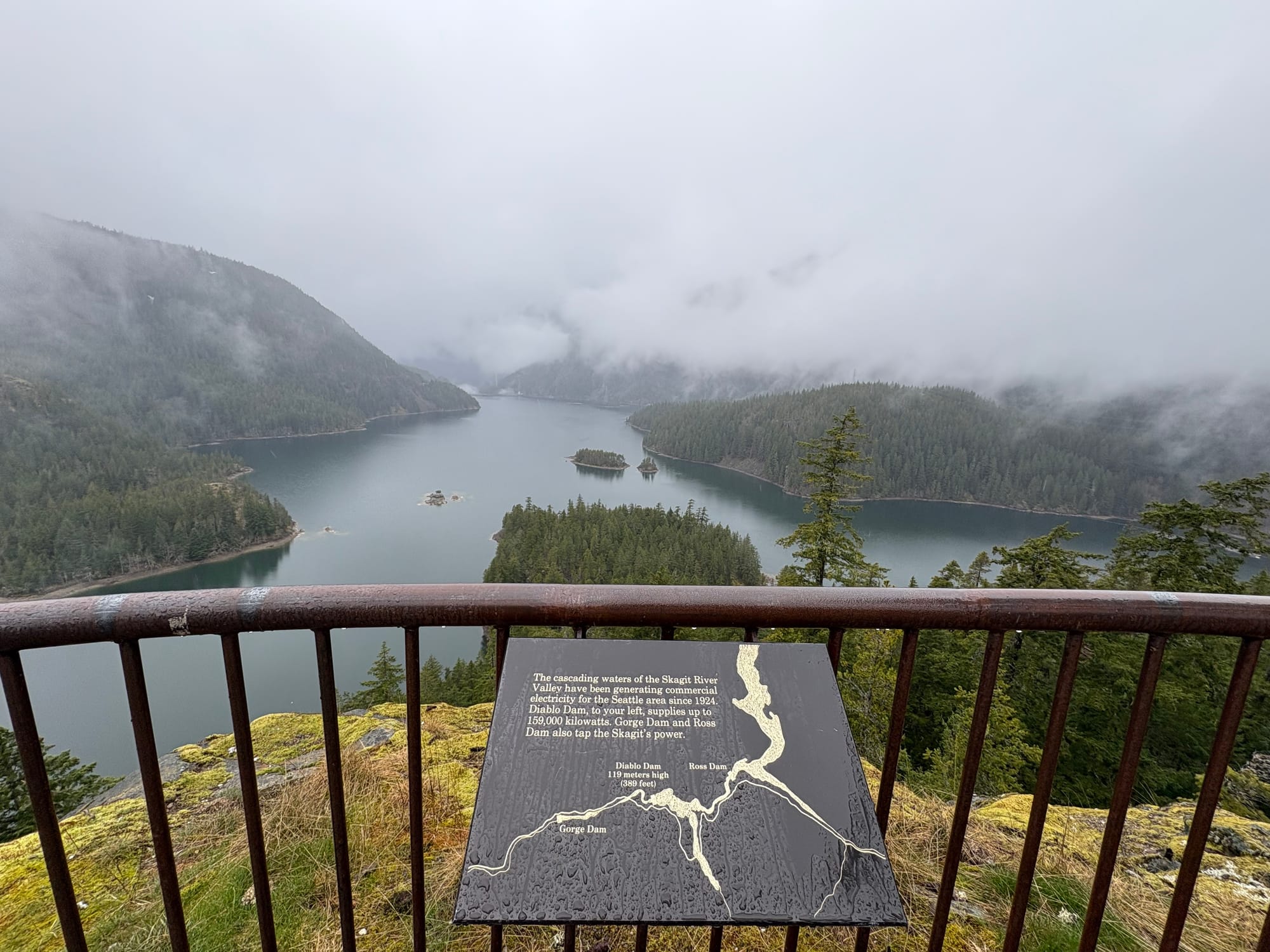
However, questions remain about which species would be included in the fish passage system, as “the Skagit is the only [river in Puget Sound] remaining that serves as habitat and spawning grounds for all five species of salmon in the region, according to the Puget Sound Partnership” (Gates 2026). There is also lingering debate about the value of fish passage in all three dams, as specified in the settlement, or whether to bypass Diablo completely, the middle dam and reservoir. Adding another passage could stress the fish, according to Chris Townsend, director of natural resources and hydro licensing for City Light in an interview with Cascadia Daily. Scott Schuyler, policy representative for the Upper Skagit Indian Tribe, disagrees; “with the available reservoir habitats and tributaries, “Why wouldn’t you utilize every available resource that you have to produce fish?”” (Gates 2026). Diablo Reservoir receives water from multiple tributaries that could support salmon production, most significantly Thunder Creek. The waters of Diablo reservoir back up right to Ross Dam, and many argue that salmon reintroduction in the middle reservoir is not viable, as salmon are greatly guided by current direction in their return to spawning grounds, so the mostly still water of Diablo could prove to be a significant drain of their energy, especially complied with an additional trap and haul process.
To fulfill agreements to the Tribes of the basin, Seattle will build a cultural center at Daxwálib, the traditional Upper Skagit village site that is now the company town of Newhalem, compensate tribes with around $350 million throughout the 50 years “for cumulative impacts of the dams,” and “return parcels of land to the Upper Skagit and Sauk-Suiattle Tribes” (Breda 2026). As land co-management and Land Back initiatives spread across the world and especially the Pacific Northwest, it is important to recognize the significance of steps like these. The Gorge Dam in particular violates sacred land and water of the Upper Skagit Tribe, and “construction of the Gorge Dam started in 1919, five years before the Indian Citizenship Act granted United States citizenship to Native Americans” (Gates 2026). The fact that water is returning to the three mile stretch de-watered by the Gorge Dam and Newhalem Powerhouse Project is a significant and just part of the new license agreement. “City Light has been told it hasn’t given anything back to the Skagit watershed in exchange for the power it’s extracted … This agreement “will be a significant return of value to the people who live and depend on the Skagit River”” (Gates 2026). Tribes and First Nations have always fought for their rights to their lands, waters, and sovereignty. The City of Seattle's engagment in returning water to the river and returning lands to and financially compensating tribes is important, but overdue, and just a start to a long journey of reconciliation and healing.
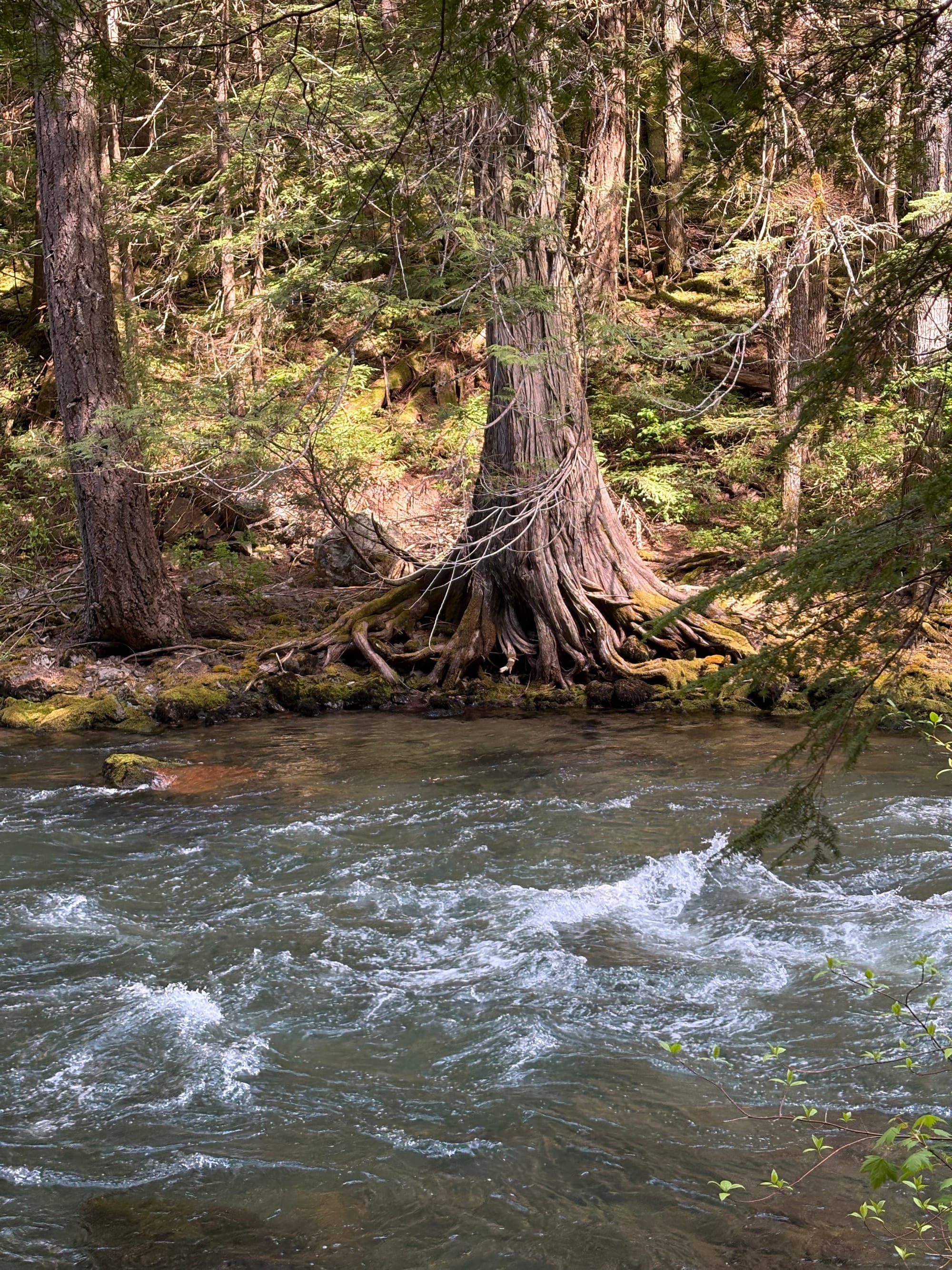
The Upper Skagit Tribe is made up of descendants from 11 distinct bands. Collectively, their ancestral land ranged from the Skagit Delta, along the Samish River, the confluence of the Baker River with the Skagit, and seasonal sites as far upstream as what is now Newhalem, and into the Salish Sea along Padilla Bay, Whidbey Island, and Chuckanut Bay, among many other places (Upper Skagit Tribe). This immense area of traditional land has been forcibly shrunk by violent colonial interests to just about 99 acres of reservation and commercial land (WWU Tribal Relations). The Upper Skagit have always resisted settler incursion on their lands, including in 1886, when “More than one hundred canoes of people met with settlers [on the Skagit River] to protest the seizure of their lands” (Upper Skagit Tribe).
This new Seattle City Light agreement and its provisions for environmental and cultural improvement and compensation is built off of years of effort from tribes and nations in the basin. In my capstone research paper, “Transboundary and Hydroelectric Issues in the Upper Skagit,” I analyzed the upper section of the Skagit River watershed and potential avenues to move transnational water governance forward by more fully incorporating Indigenous and community leadership. I looked into several methods of environmental advocacy taken up by the tribes and nations of the basin, including the legal initiatives of the Sauk-Suiattle Tribe. None of their cases were won, although the one described below was settled, and the existence of all the cases alone was hugely significant in the 2026 relicensing agreement. Here’s an excerpt from my paper:
In 2022, the Sauk-Suiattle sought legal recognition of Tsuladxw– Salmon (Sauk-Suiattle Indian Tribe v. City of Seattle, 2022). The Tribe sued on their own behalf and on the behalf of the salmon. This legal tactic called for recognition of salmon and the river itself as rights-bearing entities, a direct refusal of colonial systems that see salmon and rivers as resources to extract from. The City of Seattle settled in 2023; “reaching an agreement that creates a roadmap for the creation of a fish passage system to return salmon to their native ecosystem and restore the lifeblood of the tribes” (Eco Jurisprudence Monitor). While not a full success, the settlement paves the way for more rights of nature cases in the region. The Sauk-Suiattle Tribe has pulled on the power of the legal system to relentlessly advocate for their own treaty rights as well as the rights of the salmon, river, and all other-than-human beings of the Skagit River system.
Rights of nature law, which the Sauk-Suiattle Tribe demonstrated in the 2022 case, is a powerful way to advocate for whole ecosystems, de-centering human experience. While there are many successful case examples from across the world, it still has yet to become a guaranteed route for advocacy and protection. The Sauk-Suiattle utilized it as part of the long road towards this year’s settlement success.
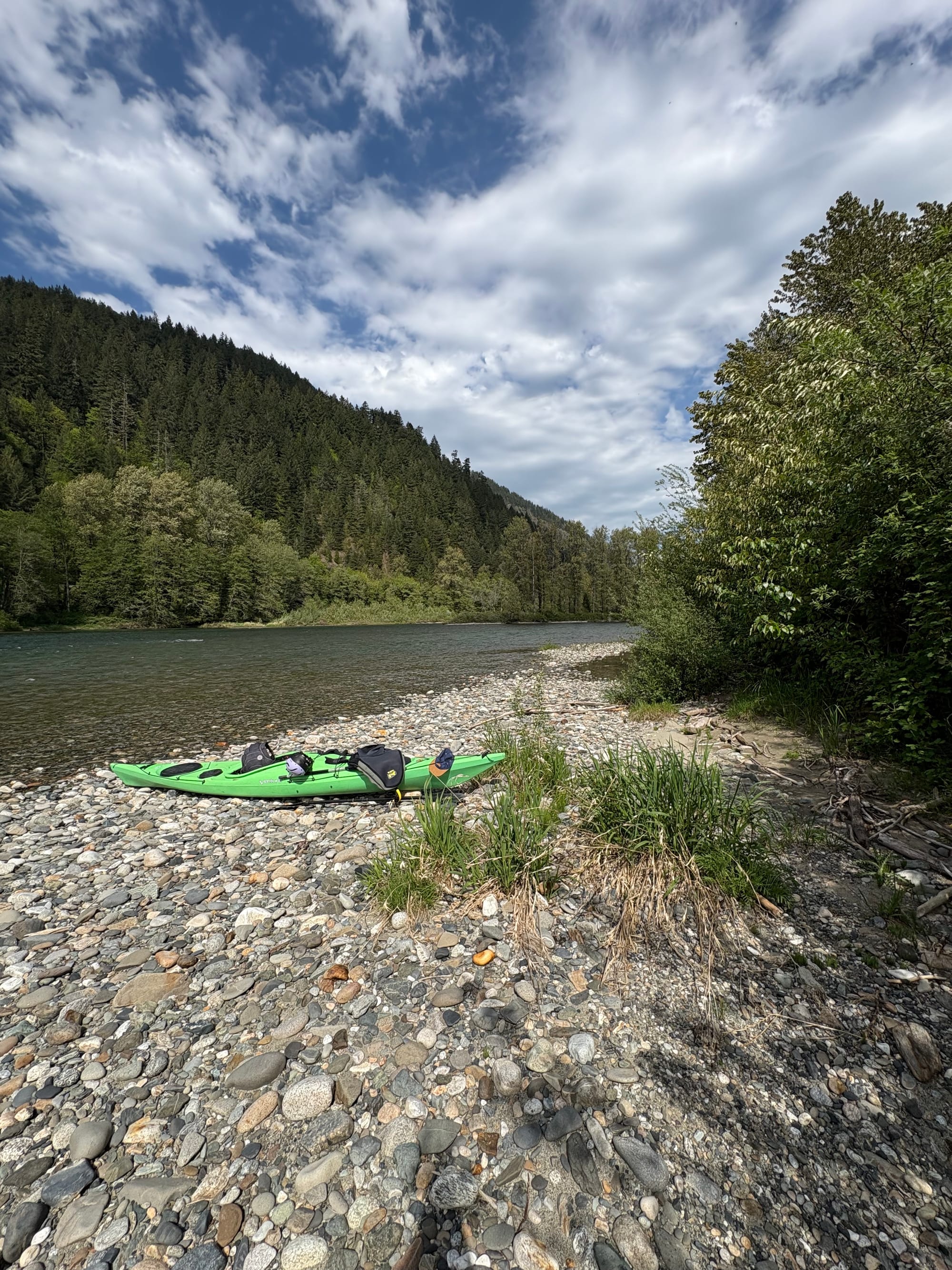
The Nlaka’pamux Nation, a Canadian First Nation, has also been crucial in recognizing the importance of cultural and environmental resources in the basin. At time of writing, I was unable to find an update from the Nlaka’pamux Nation, who sought intervenor status in the relicensing processes, initially in the 1995 process. Their involvement is unique in that their intervenor status – which allows a party to join a legal process they have an interest in – was necessary because the Nation is “recognized as having an interest in the Skagit area but is not recognized as a “Tribe” in the USA,” leaving them without an established consultation role (NNTC). I also did not find a comment or update from the Skagit Environmental Endowment Commission, a stewardship group that works across the Canada-U.S. border on environmental issues in the Upper Skagit. These stakeholders both added valuable ground work through surveys, relationship building, and advocacy in a transnational approach that contributed to the landmark new agreement.
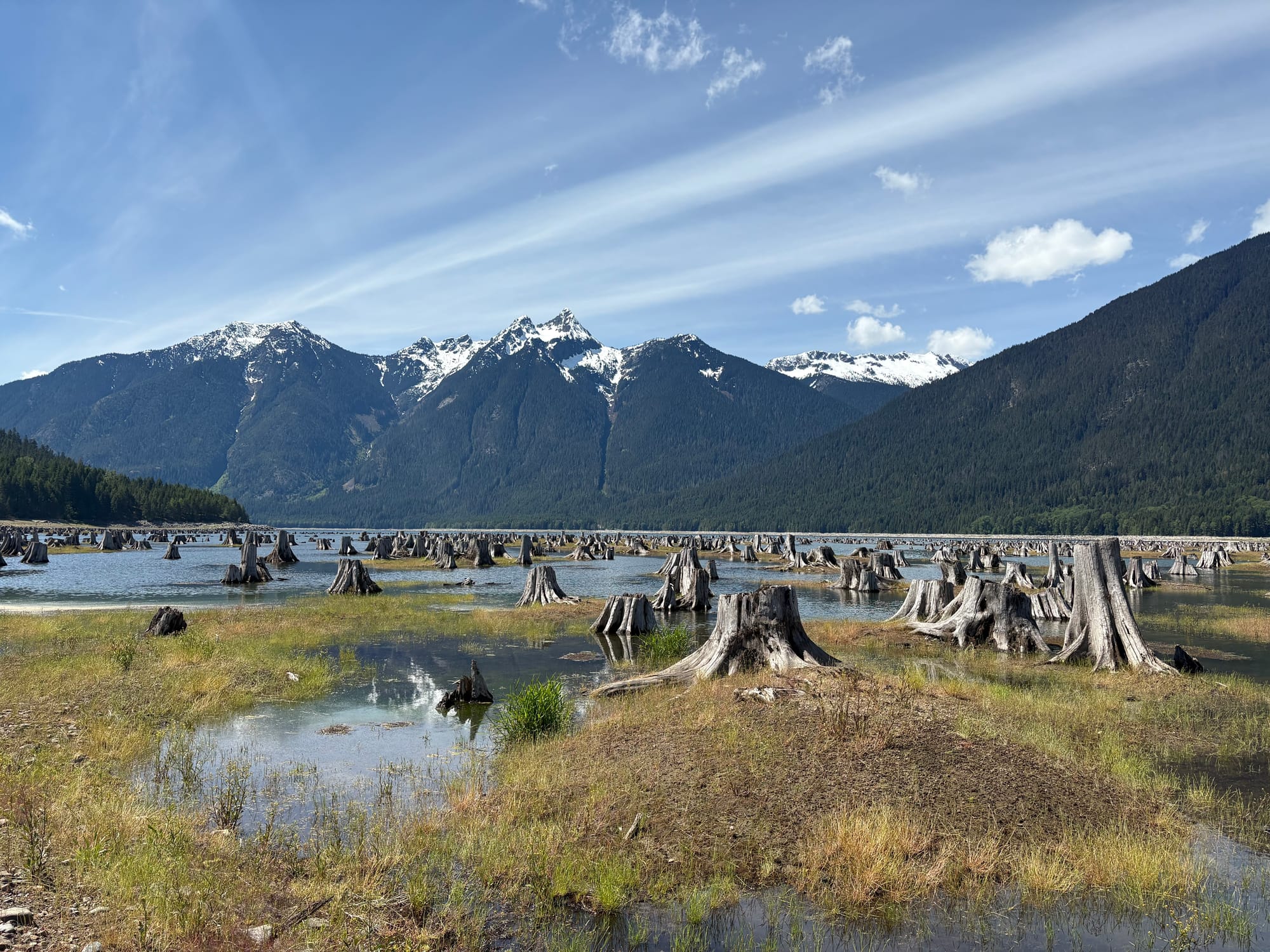
As Scott Schuyler said in an interview with Cascadia Daily News, “In a perfect world, we wouldn’t dam our rivers” (Gates 2026). There are harmful dams across the world and the nation. Our work today is to approach these complicated and multi-faceted issues from a perspective that values people, place, and the future. What I concluded at the end of my senior capstone journey still stands and isn’t all that surprising; the Skagit is a treasured river and while often exploited and overused, it is also a gathering place and a recipient of the gratitude of countless people and other than human species. The future of this river depends on those of us who know and love it. I'm so grateful to continue to have been able to learn about the work of and explore the lands of the Nlaka'pamux and Sto:lo Nations and the Upper Skagit, Sauk-Suiattle, and Swinomish Tribes. Their stewardship sets an impressive example of how to be in relationship with the lands and waters that care for us all.
Carly Lloyd is a whitewater kayaker and instructor currently based in Durango, Colorado. She is one of a growing circle of writers, athletes, and river people contributing to RIVERS — a publication built on the belief that the best stories about rivers come from people who live and collaborate with them most often.