The Living Nooksack River
A source-to-sea inquiry with the Nooksack River.
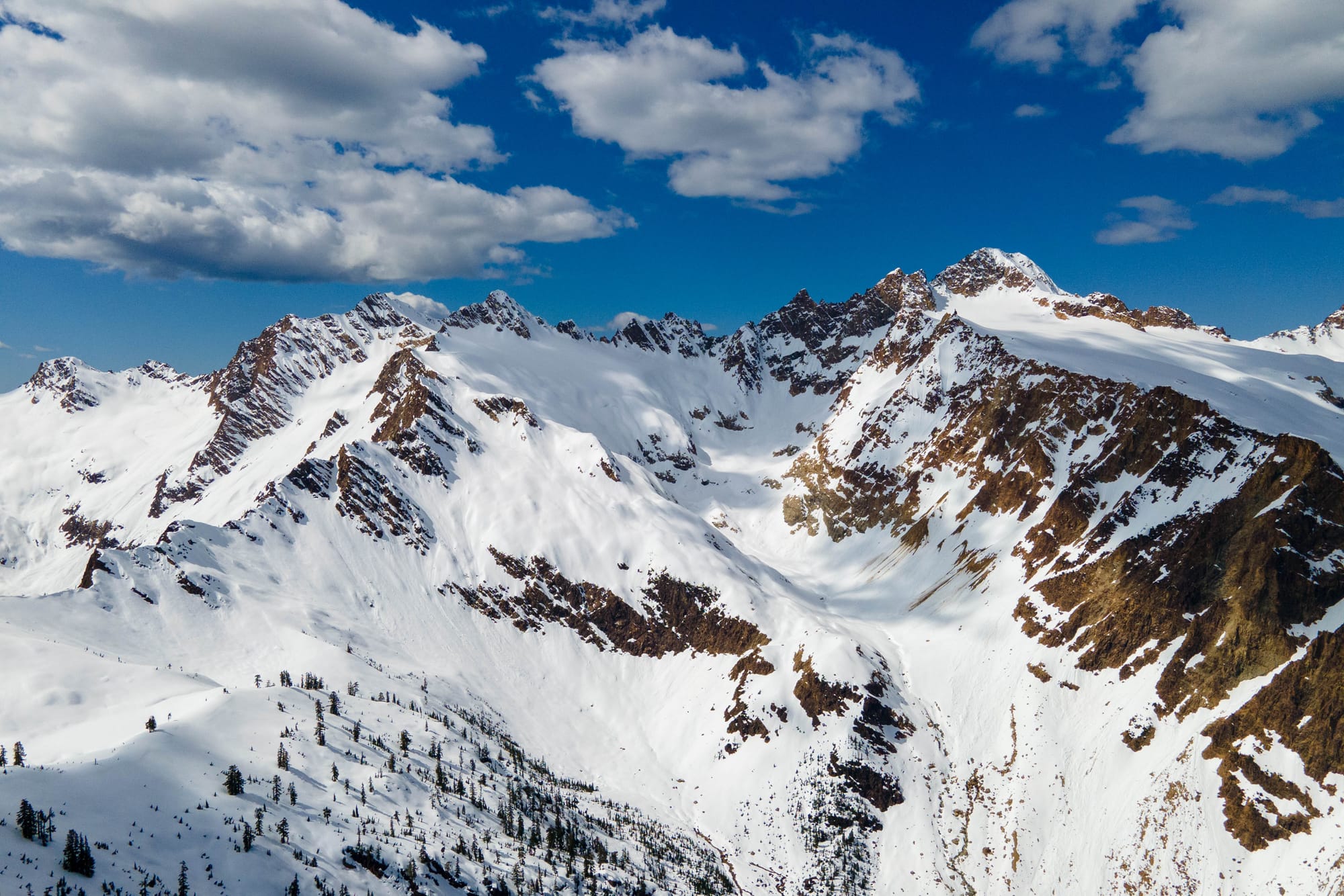
The Nooksack River runs 74 miles from the glaciers of Kweqʼ Smánit, Kwelshan (Mount Baker) — to the Salish Sea. Along the way it passes through ancient forests, working farms, flood-prone valleys, and the territories of Noxwsʼaʔaq and Lhaqʼtemish peoples whose relationships with this water stretch back long before any of the maps that now govern it.
The river is changing. Glaciers are retreating. Floods are intensifying. Salmon runs are in decline. A dam has come down on the Middle Fork. Water rights are being adjudicated in court. The communities living alongside the Nooksack are navigating all of this at once.
This work is an attempt to understand this moment and contextualize it in the time of the river. Following the flow from source to sea, while listening to what the people who know the river best have to say.

Where This Work Begins
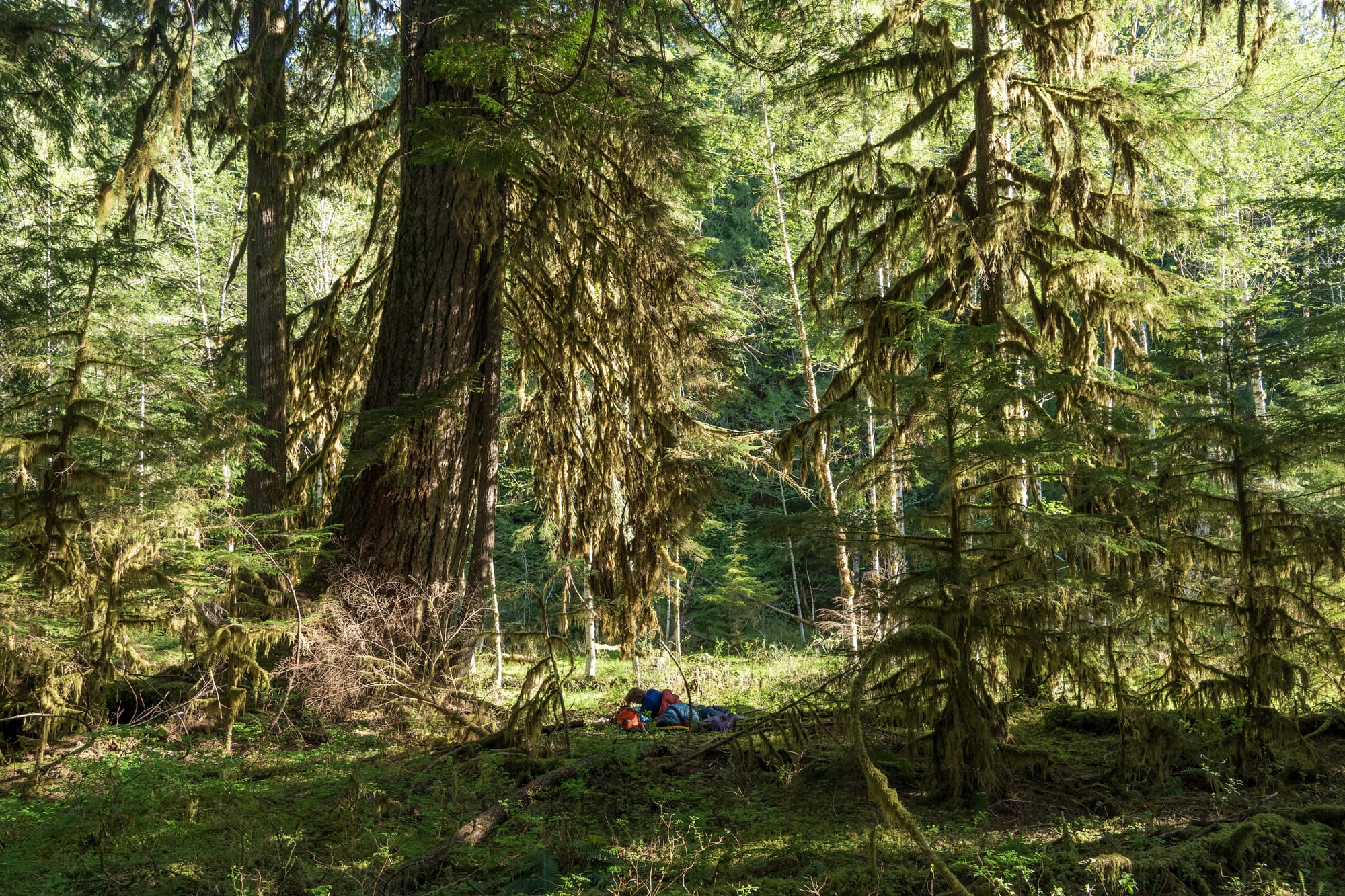
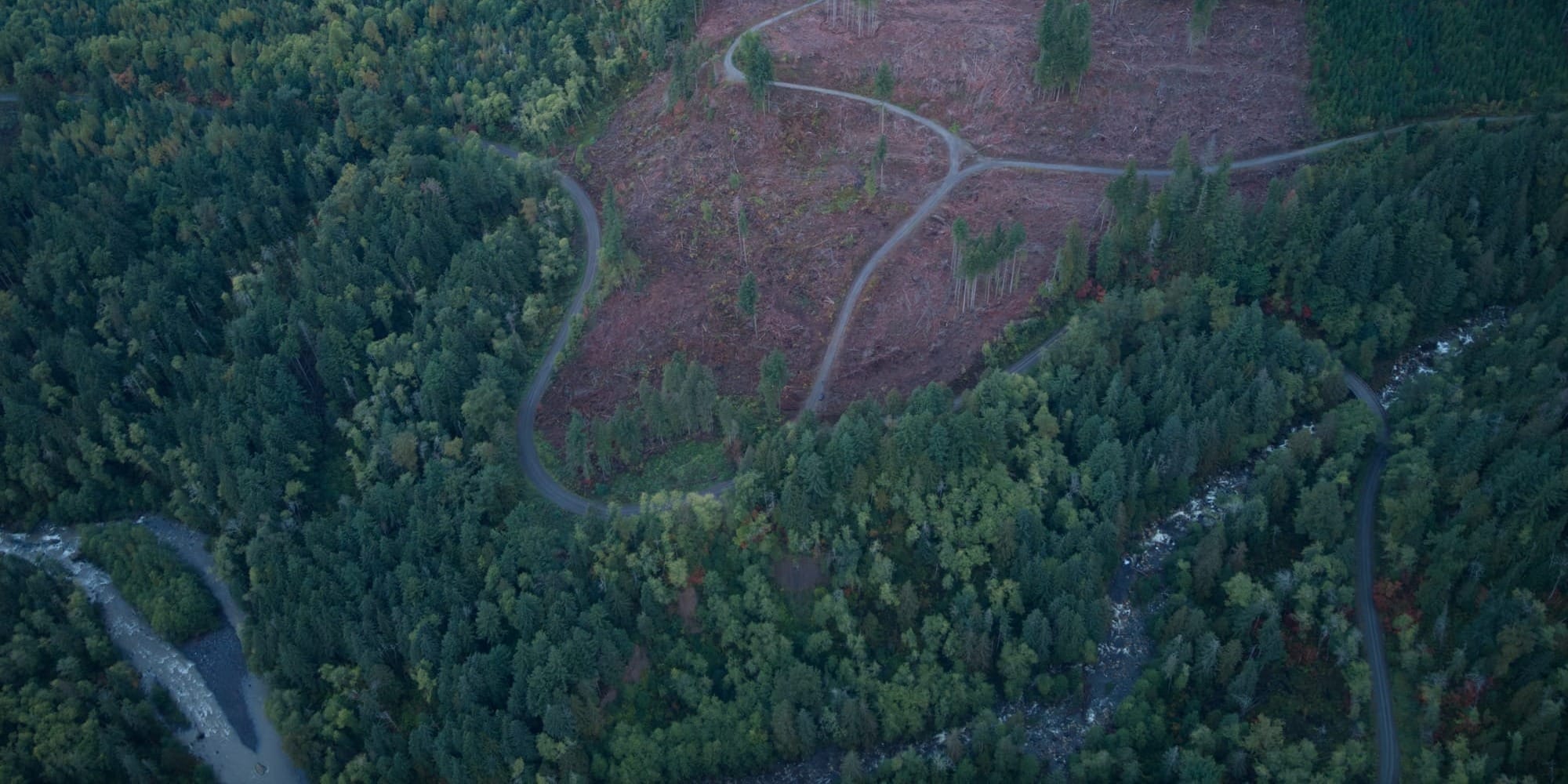
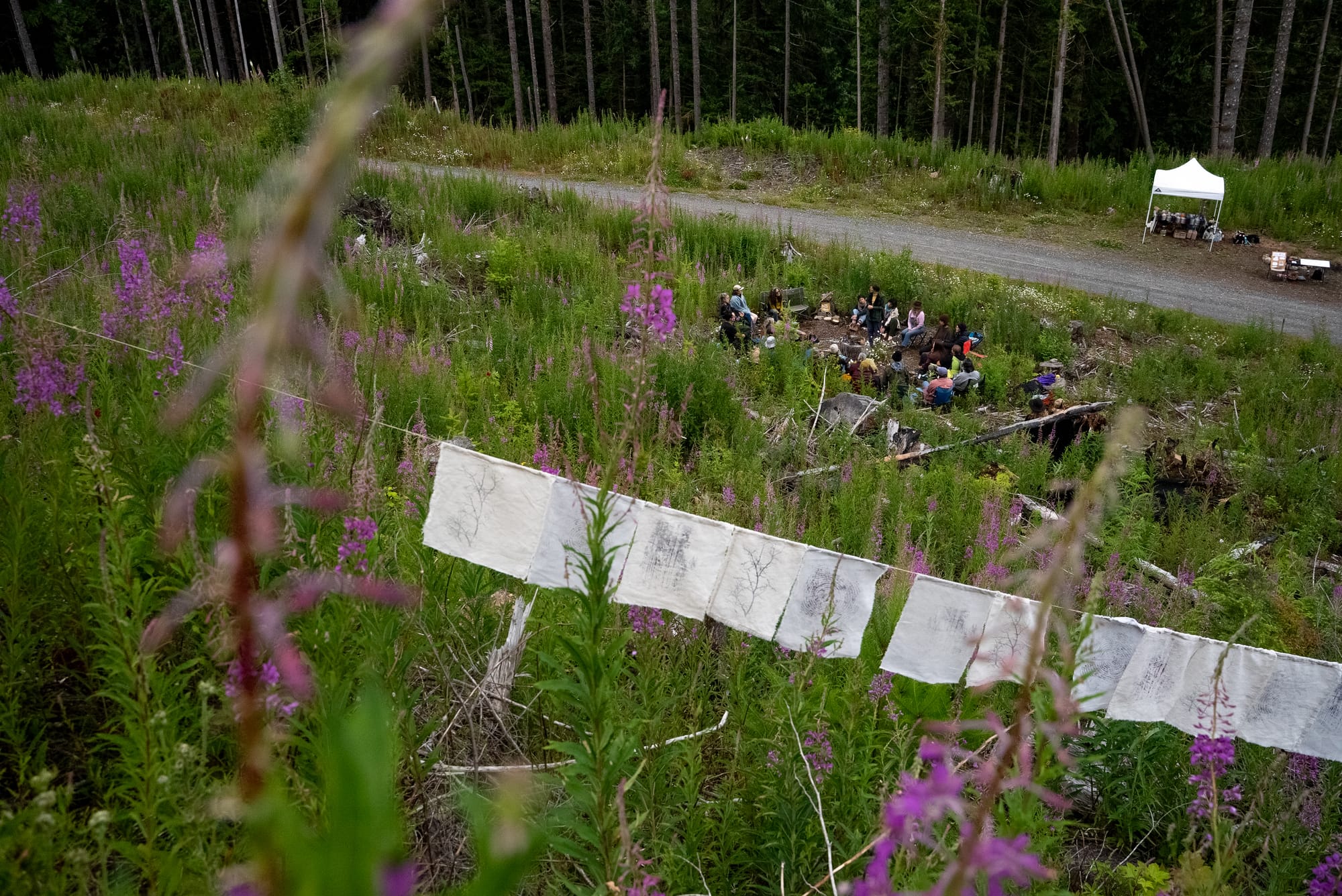
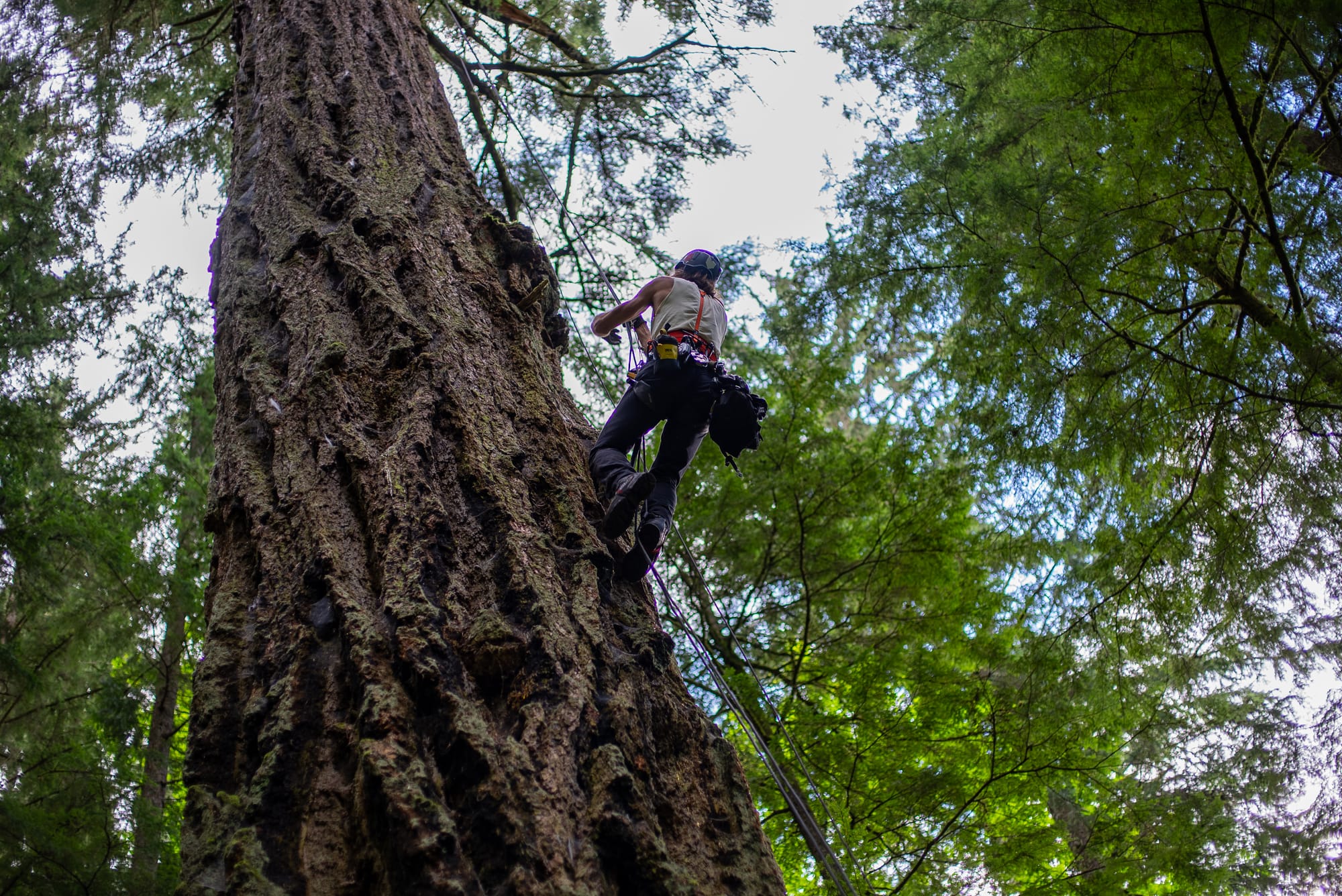
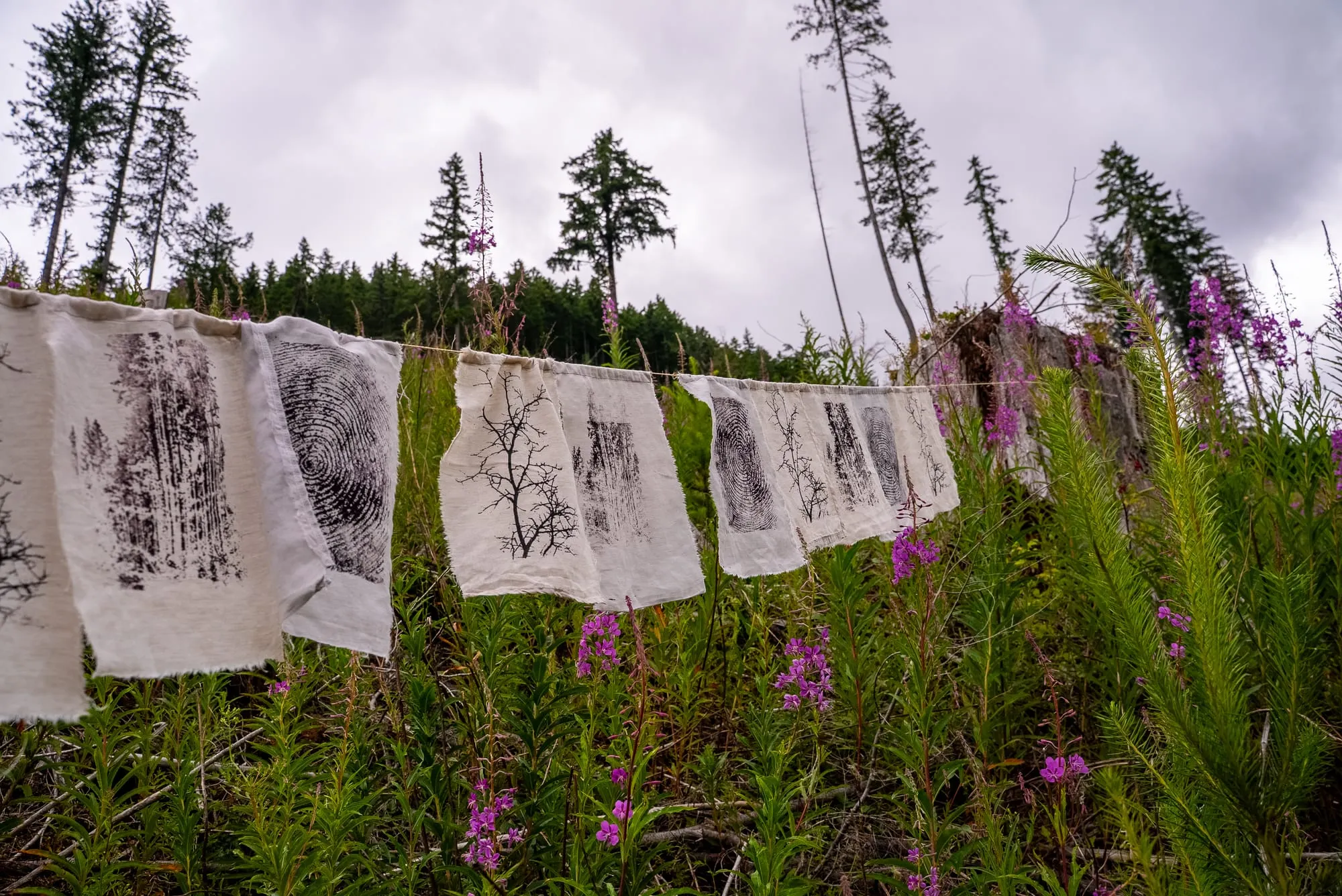
This inquiry started in the Middle Fork Nooksack drainage, in a place called the Box of Rain — a clearcut in a legacy forest that raises hard questions about what gets taken from a watershed and what remains.
In 2024, working with Jericho Leavitt under the name Unevenground, I co-produced Portraits in Sawdust: a photo zine made in collaboration with the Center for Responsible Forestry documenting that clearcut.

The Middle Fork is also where a dam was removed in 2020 — one of the key sites of this work. The forest and the river aren't separate stories. The Living Nooksack River picks up where Portraits in Sawdust left off, and moves downstream.
The River Now
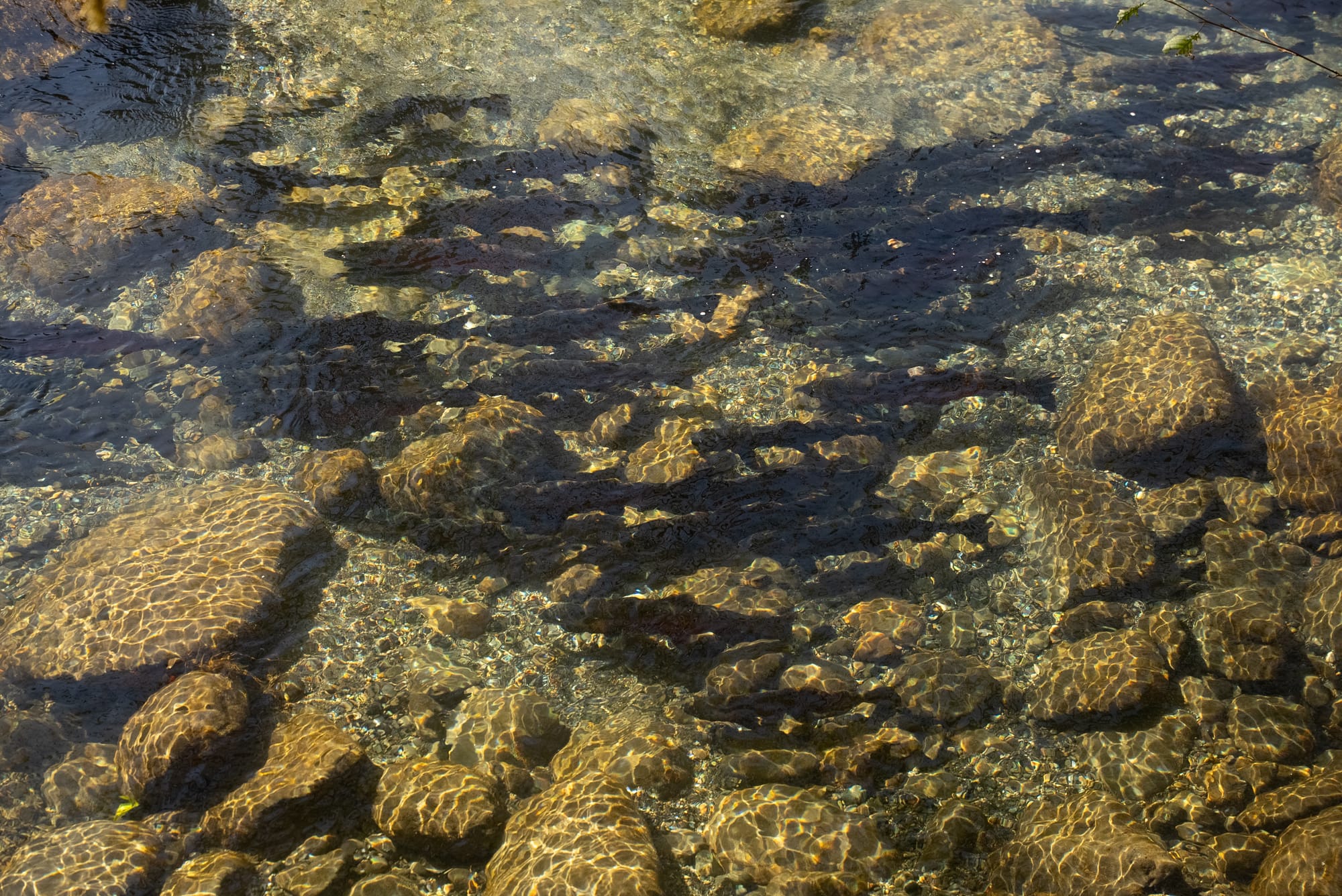
The Nooksack begins in glacial ice. Three forks drain the glaciated slopes of Kweqʼ Smánit before joining and running west through canyons, floodplains, and to the delta in the Salish Sea. It is a young river, still actively reshaping its own channel, and it is changing faster now than at any point in living memory.
The glaciers are retreating. What has long served as frozen storage — releasing cold water through dry summers — is diminishing year by year. Downstream, floods are arriving more frequently, more severely, and in seasons they didn't used to reach. In 2021, atmospheric rivers overwhelmed the lower valley, inundating farms and isolating communities for days. It was not the first time. It will not be the last. This year in 2026, the flood came twice.
The Nooksack runs through the territories of Noxwsʼaʔaq and Lhaqʼtemish peoples — the Nooksack Indian Tribe and the Lummi Nation — whose relationships with this watershed predate and extend far beyond the settler infrastructure now built across it. The 1855 Treaty of Point Elliott guaranteed fishing rights still being fought for in court. Today, water rights across the entire basin are under formal adjudication by Washington State. The river is not just an ecological system under pressure. It is contested ground.
The Rights of Rivers
Something is shifting in how the world thinks about rivers.
In 2017, the Whanganui River in Aotearoa New Zealand became the first river granted legal personhood — recognized not as property to be managed but as an ancestor, a living entity with rights of its own. The legislation emerged from 140 years of Māori advocacy. For Whanganui Iwi, the river had never stopped being a person. The law was catching up: Ko au te awa, ko te awa ko au — I am the river, the river is me.
Since then, rivers in Ecuador, and Australia have pursued similar recognition. In each case the legal argument rests on something older than law — knowledge systems that have held rivers as living, relational beings for as long as people have lived alongside them. What is new is that settler states are being asked, slowly and unevenly, to recognize what Indigenous peoples have never stopped asserting.
Michi Saagiig Nishnaabeg scholar Leanne Betasamosake Simpson writes of water as kin, teacher, and political actor. Robert Macfarlane's Is a River Alive? brings the question to a wide public audience. But as Métis scholar Zoe Todd has argued, Western enthusiasm for recognizing rivers as living beings often arrives late — and without credit — to conversations Indigenous thinkers have been holding for generations. The movement is real. So is the risk that it becomes another form of appropriation dressed in the language of care.
The Nooksack has not been granted legal personhood. But the questions this movement is raising — who speaks for a river, who is accountable to it, what it means to treat water as alive — are exactly the questions this inquiry is following downstream.
Further reading
Rivers as living beings
Leanne Betasamosake Simpson — Theory of Water (2025) — Water as kin, teacher, and political actor, from within Michi Saagiig Nishnaabeg knowledge and practice.
Robert Macfarlane — Is a River Alive? (2025) — The most widely read public treatment of river aliveness this year; essential context for where the global conversation currently stands.
Eduardo Kohn — How Forests Think (2013) — Semiotic life beyond language; the conceptual ground for more-than-human anthropology.
Carlota Houart, Jaime Hoogesteger & Rutgerd Boelens — "Multispecies Imaginaries for River Justice" (2025) — How Kichwa communities in Ecuador defended the Piatúa River by treating it as a sentient, relational being.
Decolonial methods and ethics of inquiry
Linda Tuhiwai Smith — Decolonizing Methodologies (1999) — The foundational text; knowledge production as imperial apparatus, and the demand for accountability.
Zoe Todd — "An Indigenous Feminist's Take on the Ontological Turn" (2014) — On who gets credit when Western academia discovers what Indigenous thinkers have long held.
Audra Simpson — "On Ethnographic Refusal" (2007) — Refusal as a sovereign act; what it means to set limits on what can and should be known.
Seeing and documenting
Charles Menzies — "Seeing Our World in 16:9 Aspect Ratio" (2024) — Indigenous filmmaking as resistance; on making work accountable to place rather than to audience expectation.
Adam Fish — "Degenerate Ecocinema: Indexing Entropy with Drones" (2022) — On the paradox of using extractive technologies to document extraction.
The Nooksack specifically
Althea Wilson — "Revitalizing Cultural Knowledge and Honoring Sacred Waters" (2018) — Community-based oral history centering Nooksack River knowledge from within the communities that hold it.
Rena Priest — Positively Uncivilized (2025) — Lummi Nation poet and former Washington State Poet Laureate; knowledge of this place that no academic text carries.
Allan Richardson & Brent Galloway — Nooksack Place Names (2011) — The most substantial geographic and linguistic record of the Middle Fork and surrounding watershed.
How This Work Moves
This work begins with the body in the watershed.
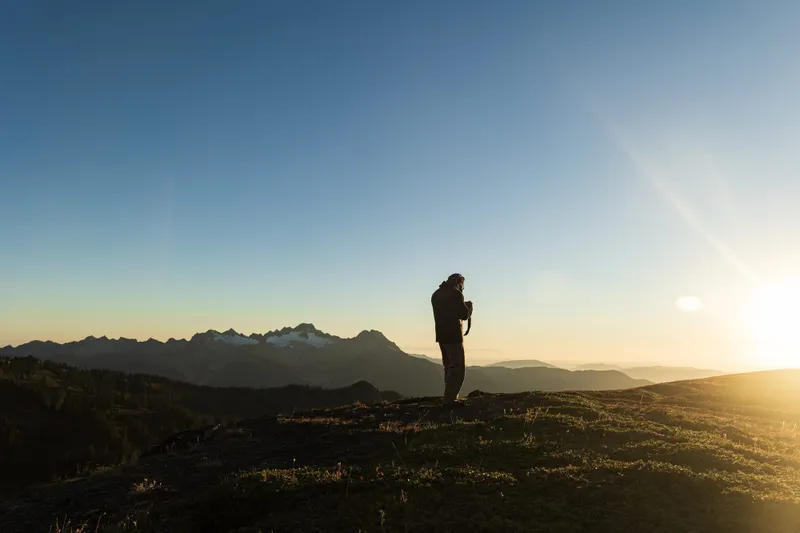
The Nooksack is followed source to sea by kayak, on foot, and on skis — moving through the glacier headwaters in winter, paddling the canyon reaches in spring runoff, walking the floodplains and delta in the long days of summer.
This inquiry is grounded in ethnohydrology — the study of how water and culture shape each other. The source-to-sea structure isn't a metaphor. It's a physical commitment to knowing the river as a connected whole, not a set of isolated problems. You can't understand a delta without knowing what the mountains are doing. You can't understand a flood without knowing where the water came from.
Alongside that physical presence, the work involves listening — in-depth recorded conversations with people whose lives are shaped by the Nooksack. People who carry knowledge of this river that doesn't appear in any dataset or management plan. These aren't interviews in the conventional sense. They're conversations that follow where the river and the person take them, recorded with permission, and treated as primary documents.
The documentary layer — photography, film, video, field audio, and music — runs through all of it. The goal is to build a sensory archive of this watershed at this particular moment: not images extracted from a place, but images made in relationship to it. That distinction is slow work. It requires being somewhere long enough that the camera becomes less intrusive than the questions.

About This Work
I grew up in this watershed. The forests and rivers of the Pacific Northwest were the first landscape I learned to read — by season, by water level, by the particular green of the forests after rain. The Nooksack was part of that early geography: its canyons, its gravel bars, the cold of it in June when the glaciers are still running hard into the tributaries.
That childhood relationship didn't come with the histories attached. I learned the hydraulics before I learned whose territories I was moving through, and before I understood what had been taken from this watershed — from its forests, its salmon runs, its Indigenous communities — to make the landscape I grew up thinking of as simply home. This inquiry is, in part, an attempt to hold both of those things together: the physical intimacy of a place known since childhood, and the responsibility that comes with understanding it more fully.
Wil Henkel is an ethnohydrologist, filmmaker, and expedition kayaker who explores the entanglements of water and culture. Through visual storytelling, he examines how rivers become sites of meaning, conflict and resistance within complex social and ecological systems.
The Living Nooksack River is part of his MA thesis inquiry in Cultural Anthropology at Western Washington University. The formal work is institutional. The reason for it is the river.