Exploration
How do we come to know a river?
A river is never fully known.
You can walk the same bank for twenty years and still discover something new: a side channel opened by winter floods, the return of salmon, a story carried by someone who has lived beside the water far longer than you.
At RIVERS, exploration is not about conquest. It is a practice of attention.
To explore is to follow a question. To linger at the edge of what we know. To notice relationships that were previously invisible. To move through a watershed with curiosity and humility.
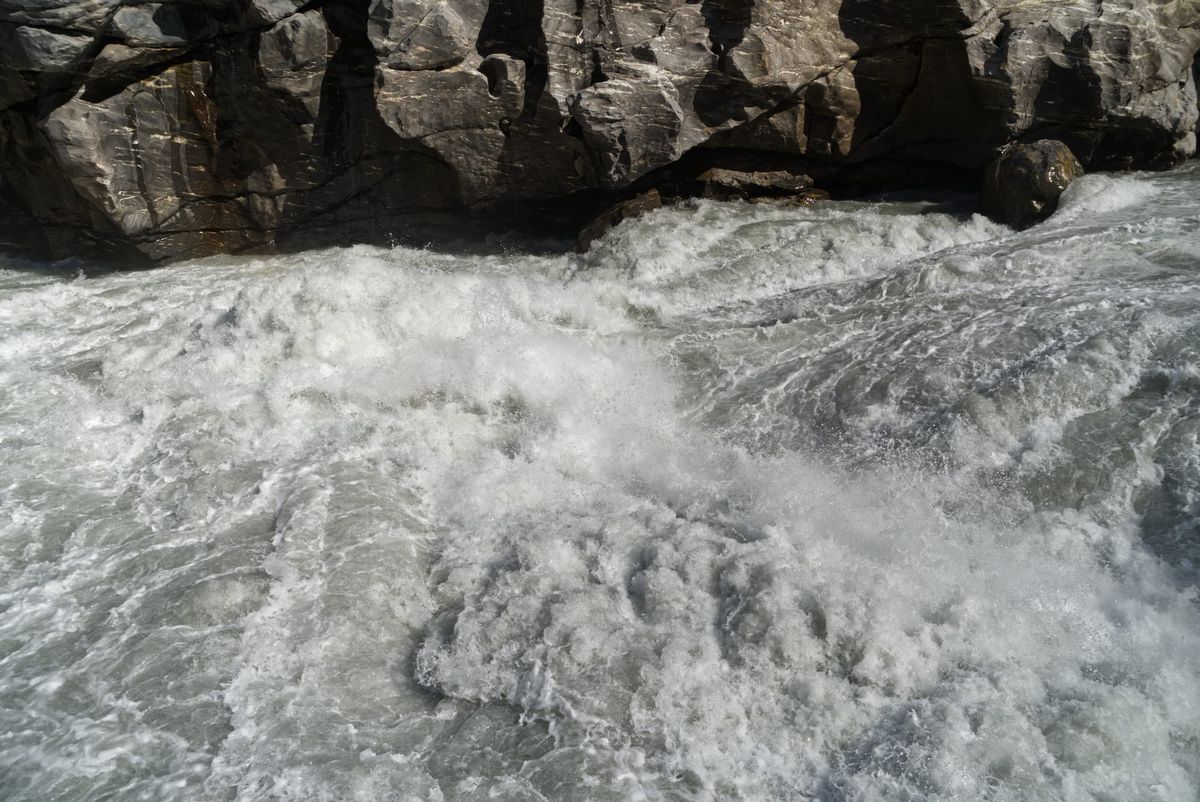
Sometimes this means paddling into a remote canyon. Sometimes it means deciphering old maps. We believe exploration happens wherever people seek deeper relationships with water, place, and one another.
The stories gathered here follow rivers across landscapes, cultures, histories, and futures. They are field notes, excerpts, deep dives, questions, and art, from the edge of certainty—a record of what becomes visible when we choose to pay attention.
Featured Stories
 RIVERS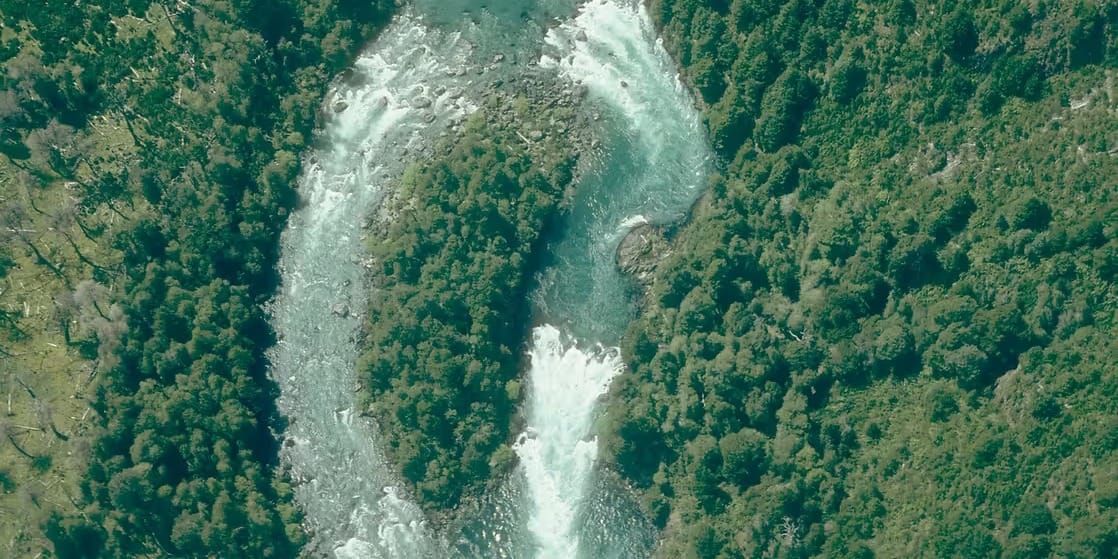
 RIVERS
 RIVERS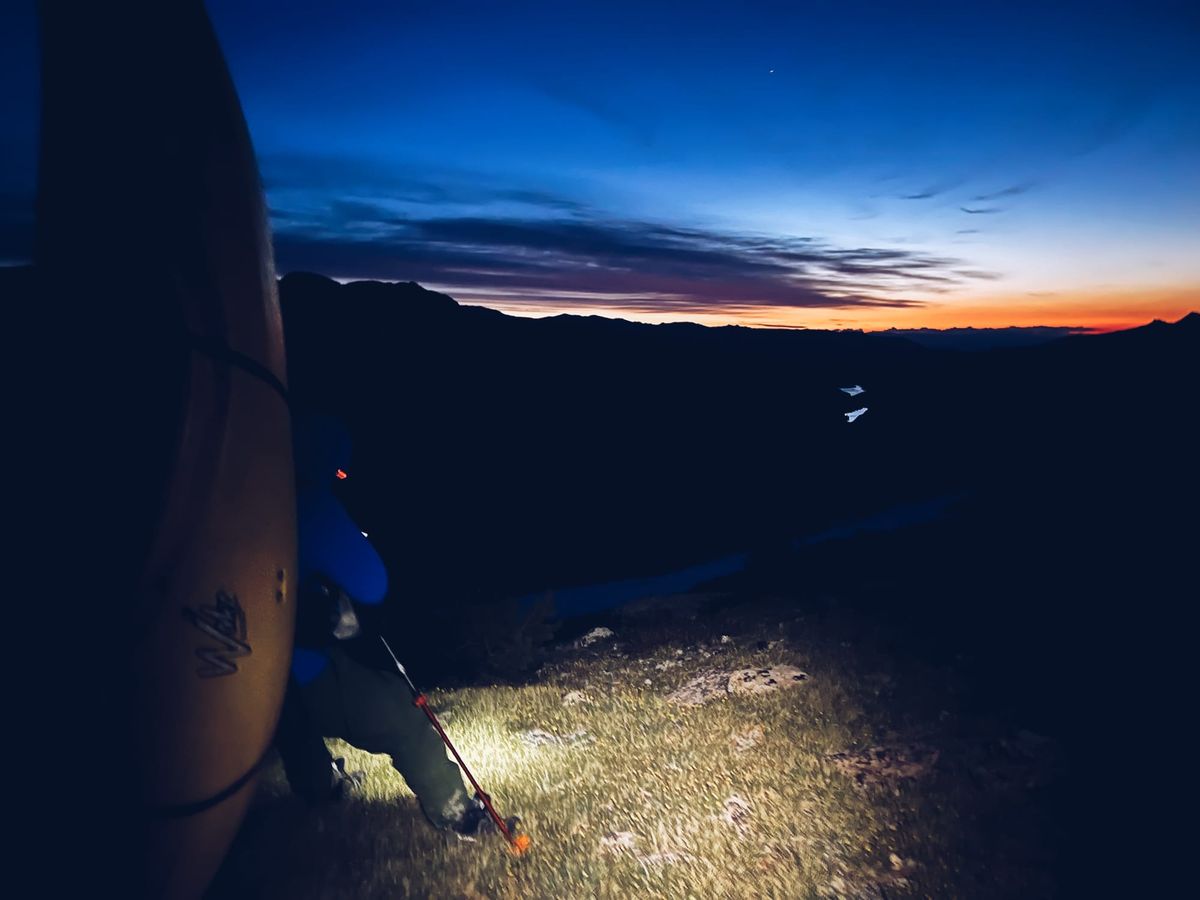
Why Exploration Matters
Every river carries a history. Some of it is written in floodplains and shifting channels. Some of it survives in stories, memories, maps, and names. Much of it remains unseen.
At RIVERS, exploration is a way of understanding where a river has been, how it shapes the present, and what futures may still be possible.
To explore is to bear witness. To ask questions. To follow connections. To remain curious about the places that sustain us. Because if we hope to imagine better futures for our rivers, we must first learn how to see them, listen to them, and move forward creatively.
Explore the Archive
Every Exploration story published in RIVERS.